
12th March Editorials & Articles
UPSC 360°
The Hindu Unwrapped – Daily Current Affairs Mastery for UPSC CSE (Clear that it’s based on The Hindu editorials / news analyses – very aspirant-friendly)
|
Significance |
|
The Right to Die with Dignity in India evolved through landmark judgments of the Supreme Court of India, particularly in the cases of Aruna Shanbaug and petitions involving patients like Harish Rana. These cases recognized passive euthanasia and living wills, expanding Article 21 to include dignified end-of-life choices while ensuring strict legal safeguards against misuse. |
Right to Die with Dignity in India : Analysis of the Aruna Shanbaug Case and the Harish Rana Case
The concept of Right to Die with Dignity in India has evolved through judicial interpretation of Article 21 of the Constitution, which guarantees the Right to Life and Personal Liberty. Over time, the judiciary expanded the meaning of this right to include not only the right to live with dignity but also the possibility of a dignified death in exceptional medical circumstances.
Two important developments shaped this debate: the case of Aruna Shanbaug and later legal developments including petitions involving patients such as Harish Rana. These cases eventually resulted in landmark judgments by the Supreme Court of India, clarifying the legal position on euthanasia and living wills in India.
Understanding the Right to Die with Dignity
Constitutional Basis
The Right to Die with Dignity is derived from Article 21 of the Constitution of India, which states that no person shall be deprived of life or personal liberty except according to procedure established by law. Initially, Article 21 was interpreted narrowly, focusing only on protection against arbitrary deprivation of life. However, over time the Supreme Court expanded its interpretation to include various aspects necessary for a meaningful and dignified life.
Through judicial interpretation, Article 21 now includes: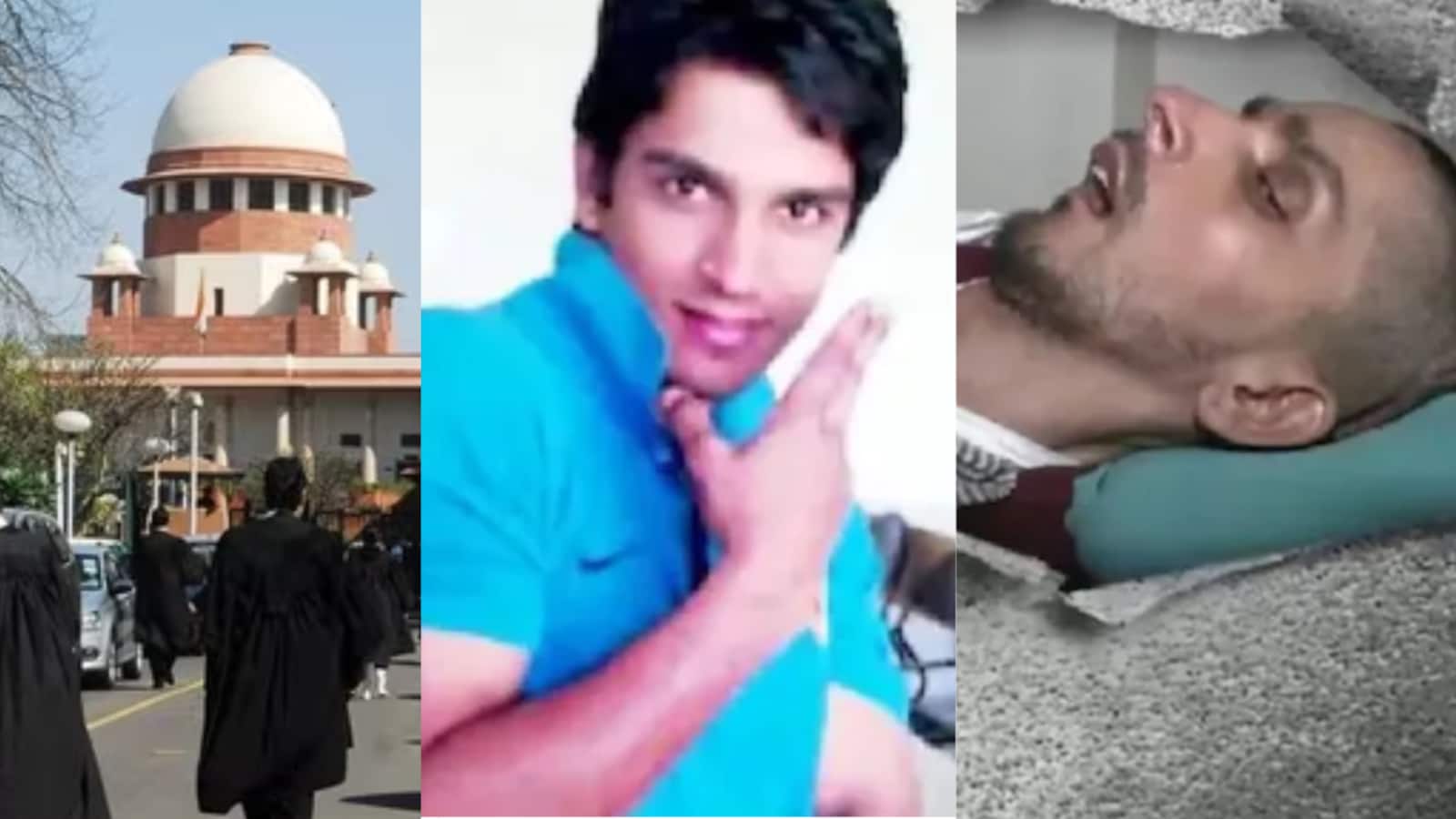
- Right to live with dignity
- Right to privacy and autonomy
- Right to health and medical care
- Right to a dignified death in exceptional circumstances
The underlying principle is that forcing a person to remain alive in irreversible suffering or permanent vegetative conditions may violate the dignity of life guaranteed by the Constitution.
Meaning of Euthanasia
Euthanasia refers to the intentional act of ending a person's life to relieve unbearable suffering caused by terminal illness or irreversible medical conditions. The concept is widely debated in legal, ethical, medical, and religious circles.
Types of Euthanasia
1. Active Euthanasia
Active euthanasia involves deliberately causing the death of a patient, usually by administering lethal substances such as injections or drugs.
Example:
A doctor administering a lethal injection to a terminally ill patient to relieve suffering.
Legal Status in India
- Active euthanasia is illegal.
- It is treated as a criminal offense under provisions of the Indian Penal Code (IPC), often categorized as culpable homicide.
Passive Euthanasia
Passive euthanasia refers to withholding or withdrawing life-sustaining medical treatment, allowing the patient to die naturally.
Examples include:
- Removing ventilator support
- Stopping artificial feeding tubes
- Discontinuing life-support machines
- Withholding aggressive medical interventions
In India, passive euthanasia is permitted under strict legal safeguards following judicial guidelines.
The Aruna Shanbaug Case (2011)
Background of the Case
Aruna Shanbaug was a nurse working at King Edward Memorial Hospital (KEM Hospital) in Mumbai.
The Incident (1973)
In November 1973, Aruna Shanbaug was brutally attacked by a hospital sweeper. During the assault, she was strangled with a dog chain. The strangulation severely restricted oxygen supply to her brain, causing irreversible brain damage.
As a result:
- She suffered severe neurological damage.
- She entered a Persistent Vegetative State (PVS).
- She lost the ability to speak, communicate, or recognize people.
Life in Vegetative State
Aruna Shanbaug remained in a vegetative state for more than four decades, making her case one of the longest-known vegetative states in medical history.
Her Medical Condition
- She had no cognitive awareness of her surroundings.
- She was unable to communicate verbally.
- She required continuous nursing care and feeding assistance.
- She was not dependent on ventilator support but required assistance for survival.
Despite these challenges, the nurses and staff of KEM Hospital cared for her for over 40 years, demonstrating extraordinary dedication.
2.3 Petition for Euthanasia
In 2009, journalist and activist Pinky Virani filed a petition before the Supreme Court of India seeking permission for passive euthanasia.
Arguments Presented
The petition argued that:
- Aruna Shanbaug had no possibility of recovery.
- Continuing treatment prolonged a life without dignity.
- She had lost any meaningful quality of life.
- The Constitution should recognize the right to a dignified death.
2.4 Supreme Court Judgment (2011)
In March 2011, the Supreme Court delivered a historic judgment.
Key Findings
The Court clearly distinguished between active and passive euthanasia.
Active Euthanasia
- Declared illegal.
- Considered a criminal act.
Passive Euthanasia
- Permitted under specific legal safeguards.
This judgment marked the first legal recognition of passive euthanasia in India.
2.5 Court’s Guidelines for Passive Euthanasia
The Supreme Court introduced strict safeguards to prevent misuse.
1. High Court Approval
Any decision to withdraw life support must be approved by the concerned High Court.
2. Medical Board Examination
A panel of qualified doctors must examine the patient and confirm that recovery is impossible.
3. Consent of Relatives or Caregivers
Family members or caregivers must be consulted before any decision is taken.
4. Judicial Oversight
The High Court must verify that the decision is taken in good faith and not influenced by financial or personal motives.
2.6 Why Euthanasia Was Not Allowed for Aruna Shanbaug
Although passive euthanasia was legally recognized, the Supreme Court rejected the request in Aruna Shanbaug’s case.
Reasons
- The nursing staff at KEM Hospital strongly opposed euthanasia.
- They considered themselves her primary caregivers.
- They were committed to continuing her care.
Therefore, the Court concluded that her treatment should continue.
Aruna Shanbaug eventually died in 2015 due to pneumonia after living in a vegetative state for 42 years.
2.7 Significance of the Judgment
The Aruna Shanbaug case became a landmark in Indian constitutional law.
Major Contributions
- First legal recognition of passive euthanasia in India.
- Creation of judicial guidelines for withdrawal of life support.
- Initiation of a national debate on medical ethics and patient autonomy.
3. The Harish Rana Case
Cases involving patients such as Harish Rana further highlighted the difficulties faced by families of patients who remain in long-term vegetative conditions.
These cases emphasized the need for clearer laws regarding end-of-life decisions.
Issues Raised by Families
Families of patients in irreversible medical conditions raised several concerns.
Emotional Distress
Watching a loved one remain unconscious for years causes deep emotional trauma and psychological suffering.
Financial Burden
Long-term hospitalization and medical treatment often impose severe financial strain on families.
Loss of Human Dignity
Patients in permanent vegetative states have no meaningful interaction with the world and may lose basic dignity.
Legal Uncertainty
Doctors often hesitate to withdraw life support due to fear of criminal prosecution.
3.2 Demand for Living Wills
These cases strengthened the demand for legal recognition of Living Wills.
A Living Will allows individuals to:
- Specify medical treatment preferences in advance.
- Refuse life-support in terminal illness.
- Appoint a person to take medical decisions on their behalf.
The 2018 Landmark Judgment
In 2018, the Supreme Court of India delivered a landmark verdict in
Common Cause v. Union of India.
Key Constitutional Principles
The Court declared that:
- Right to Die with Dignity is a fundamental right under Article 21.
- Passive euthanasia is legally permissible.
- Individuals have the right to create Advance Directives (Living Wills).
Recognition of Living Will
The Court formally recognized Living Wills as legally valid documents.
A Living Will includes:
- A person’s decision to refuse life-support treatment.
- Conditions under which treatment should stop.
- Authorization for a family member or guardian to take decisions.
Safeguards Introduced
To prevent misuse, the Court introduced strict procedural safeguards.
Medical Safeguards
- Two independent medical boards must examine the patient.
- Doctors must confirm that recovery is medically impossible.
Administrative Safeguards
- The decision must be formally documented.
- Hospital authorities must verify the authenticity of the directive.
Ethical Issues in the Right to Die Debate
The Right to Die debate involves complex ethical and moral questions.
Medical Ethics
Doctors follow the Hippocratic Oath, which emphasizes saving lives. However, continuing artificial life support for patients with no hope of recovery raises ethical dilemmas.
Risk of Misuse
Critics fear euthanasia laws could be misused for:
- Property disputes
- Family pressure
- Financial motives
Therefore, strict safeguards and judicial oversight are essential.
Religious and Cultural Perspectives
Many religious traditions consider life sacred and oppose euthanasia.
This raises moral questions about:
- Human intervention in death
- Ethical responsibilities of doctors and families.
Importance of These Judgments
The judgments related to Aruna Shanbaug and later cases significantly influenced Indian legal and medical practice.
Key Achievements
- Recognition of human dignity in end-of-life care.
- Establishment of a legal framework for passive euthanasia.
- Protection for doctors acting in good faith.
- Empowerment of individuals through Living Wills.
Conclusion
The development of the Right to Die with Dignity in India reflects the judiciary’s attempt to balance constitutional rights, medical ethics, and social concerns. The case of Aruna Shanbaug and later legal developments highlighted the need for compassionate end-of-life policies.
Through landmark rulings, the Supreme Court of India recognized that the right to life under Article 21 also includes the right to die with dignity in cases of terminal illness or irreversible medical conditions. However, strict safeguards remain essential to ensure that this right is exercised responsibly and is not misused.
UPSC CSE & State PCS Relevance
Prelims
- Strait of Hormuz (20% global oil)
- IEA Strategic Reserves release mechanism
- India’s oil import sources (Gulf + Russia)
GS-2 (IR)
- India-West Asia balancing act
- Energy diplomacy & neutral stance
GS-3 (Economy & Security)
- Energy security & import dependence
- Impact of geopolitical shocks on CAD & inflation
- Maritime domain awareness
Essay / Interview
- “Geopolitical Chokepoints and India’s Energy Security Dilemma”
- “From Hormuz to Resilience: India’s Path to Energy Independence”
MCQs
- The Strait of Hormuz is strategically critical because it handles approximately what percentage of global seaborne oil trade? (a) 10% (b) 20% (c) 30% (d) 40% Answer: (b)
- In the March 2026 attacks, Iran primarily targeted which types of U.S. assets? (a) Aircraft carriers (b) Radar & air defense systems (c) Troop barracks (d) Oil tankers Answer: (b)
- Which agency announced the unlocking of 400 million barrels of oil reserves in response to the crisis? (a) OPEC (b) IEA (c) U.S. EIA (d) Saudi Aramco Answer: (b)
- The attacked Thai-flagged vessel in the Strait of Hormuz was named: (a) Mayuree Naree (b) Bangkok Naree (c) Thai Star (d) Gulf Pride Answer: (a)
Mains Questions
- “The West Asia conflict has once again exposed the fragility of global energy supply chains.” Discuss the implications for India and suggest short-term and long-term policy responses. (15 marks / 250 words)
- Analyse the strategic significance of the Strait of Hormuz in contemporary geopolitics. (10 marks / 150 words)
- “Energy security is now inseparable from national security.” Critically examine this statement in the context of India’s response to the 2026 Hormuz crisis. (15 marks / 250 words)
- Essay (250 marks) “Chokepoints and Conflicts: How West Asia Instability is Reshaping India’s Energy Security Calculus”
Extra Here to download the PDF
