24th February 2026 Current Affairs
CLICK here to Download the - PDF
India’s First Comprehensive National Counter-Terrorism Policy & Strategy: PRAHAAR
Why in News?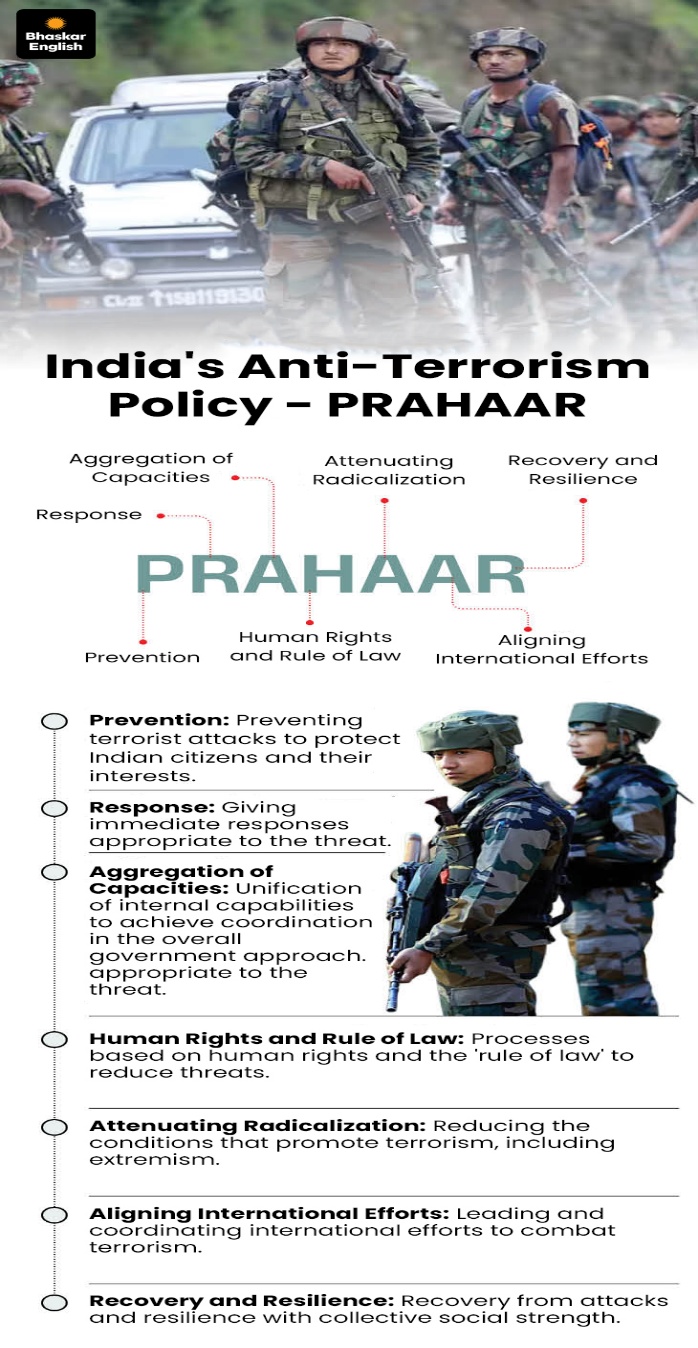
- On 23 February 2026, the Union Ministry of Home Affairs (MHA) officially released India’s first-ever unified National Counter-Terrorism Policy and Strategy, titled PRAHAAR (a Hindi word meaning “strike” or “decisive blow”).
- The 9-page document, uploaded on the MHA website, formalises a zero-tolerance, proactive, intelligence-led, whole-of-government and whole-of-society approach to terrorism.
- Earlier versions were conceptualised in 2021–22; publicly flagged by Home Minister Amit Shah in November 2024; finalised after the Pahalgam terror attack (22 April 2025) and multiple high-level reviews.
- The policy explicitly states that terrorism is not linked to any religion, ethnicity, nationality or civilisation — a strong ideological messaging point.
- Released exactly one day after India’s first National Security Strategy outline (22 Feb 2026), signalling a major doctrinal consolidation on internal & external security.
Key Visual — Home Minister Amit Shah releasing the PRAHAAR document at North Block (23 Feb 2026)
Core Philosophy: PRAHAAR Acronym (7 Strategic Pillars)
P – Prevention (intelligence-led, pre-emptive disruption)
R – Response (swift, proportionate, calibrated force)
A – Aggregation of national capacities (whole-of-government coordination)
H – Human rights & rule-of-law based actions
A – Attenuation of conditions conducive to terrorism (radicalisation, socio-economic drivers)
A – Alignment & shaping of international counter-terror efforts
R – Recovery & societal resilience post-attack
Threat Landscape Highlighted in PRAHAAR
India faces multi-domain, multi-front, hybrid terrorism:
Three-front threats (water / land / air)
- Land-based
- Cross-border infiltration & state-sponsored terrorism (Pakistan-backed groups, frontal organisations, over-ground workers)
- Sleeper cells, radicalised modules, separatist/insurgent groups
- Nexus with organised crime (arms, narcotics, hawala)
- Sea-based (Maritime)
- Coastal infiltration (26/11 model)
- Arms & explosives smuggling via sea routes
- Air-based & emerging domains
- Drone weaponisation & logistics drops (Punjab, J&K)
- Cyber-attacks on critical infrastructure
- Social media, encrypted apps, dark web for propaganda, recruitment, funding & attack coordination
Additional threats
- CBRNED (Chemical, Biological, Radiological, Nuclear, Explosive, Digital) materials
- Global networks (al-Qaeda, ISIS-K) inciting Indian modules
Hybrid warfare: deepfakes, AI-enabled propaganda, encrypted coordination
Key Operational & Strategic Features of PRAHAAR
Criminalisation & Deterrence
- All terrorist acts, support, financing, propaganda criminalised under existing laws (UAPA, BNS, BNSS, BSA, PMLA).
- No ambiguity — strict punishment for terrorists, financiers, OGWs, propagandists.
Terror Financing Disruption
- Target hawala, illegal NGOs/charities, drug & human trafficking, cryptocurrency, shell companies.
- Strengthen FIU-IND, FATF compliance, digital transaction monitoring, international cooperation.
Technology & Cyber Focus
- Counter online radicalisation, dark-web platforms, encrypted apps.
- Protect critical infrastructure from cyber & drone threats.
- Invest in indigenous tech & private-sector collaboration.
Intelligence & Agency Synergy
- Strengthen Multi Agency Centre (MAC) under IB.
- Joint Task Force on Intelligence (JTFI), real-time sharing.
- Unified SOPs, Joint Anti-Terror Task Forces (Centre–State).
- NIA as nodal high-quality investigation agency; NSG as national CT force.
Counter-Radicalisation & Community Outreach
- Graded response to radicalisation levels.
- Engage moderate religious leaders, NGOs, civil society.
- Prison de-radicalisation, community outreach, awareness campaigns.
- Address socio-economic drivers (education, skills, employment).
Cross-Border & State-Sponsored Terrorism
- Zero tolerance for state sponsorship.
- Diplomatic, military, intelligence responses.
- International pressure on sponsoring states.
CBRNED Preparedness
- Specialised training, emergency protocols, monitoring of hazardous materials.
- Coordination with defence, disaster management agencies.
Major Challenges Acknowledged
- Rapid evolution of technology-driven terrorism (drones, AI, deepfakes, encryption).
- Transnational networks & safe havens abroad.
- Radicalisation in prisons & online spaces.
- Resource & capacity gaps in state police/ATS.
- Need for continuous legal & procedural updation.
Significance for India (UPSC Perspective)
Internal Security (GS-3)
- Institutionalises shift from reactive policing to preventive, intelligence-led strategy.
- Strengthens border, coastal & critical infrastructure security.
- Seamless Centre–State coordination mechanism.
Economic Security
- Protects vital sectors: ports, railways, aviation, defence PSUs, space, atomic energy, power.
International Positioning
- Projects India as responsible global CT leader.
- Enhances leverage in FATF, UNSC 1267 Committee, bilateral CT dialogues
For UPSC CSE & State PSC
- GS-3 Internal Security — core topic (three-front threats, agencies, financing, radicalisation, CBRN).
- Current Affairs — landmark doctrinal release (23 Feb 2026) — compare with earlier fragmented approach.
- Essay / Ethics — zero-tolerance vs. human rights; whole-of-society approach.
- Prelims — PRAHAAR acronym, NSG nodal role, MAC, NIA, key laws.
Mexico: Massive Cartel Violence After Killing of ‘El Mencho’
Why in News?
- Mexican security forces killed Nemesio Rubén Oseguera Cervantes, alias “El Mencho” (59), supreme leader of the Jalisco New Generation Cartel (CJNG), in a high-risk special forces raid on 22 February 2026 in Tapalpa, Jalisco state.
- His death triggered immediate nationwide retaliation by CJNG: over 250 roadblocks across 20+ states, burning of vehicles, buses, businesses & banks, attacks on security forces.
- 25 National Guard troops killed in six separate clashes in Jalisco; 30+ suspected cartel members killed; total fatalities exceed 70.
- Guadalajara (Jalisco capital) turned into a ghost town; schools, universities, pharmacies & gas stations shut; travellers stranded.
- President Claudia Sheinbaum held emergency press conference, urged calm and claimed “greater calm” restored by Monday; government rushed 2,500+ additional troops to Jalisco (host state for 2026 FIFA World Cup matches).
- US provided critical intelligence support; White House welcomed the operation
El Mencho – Mexico’s most-wanted drug lord (DEA bounty $10–15 million)
2. Background: Jalisco New Generation Cartel (CJNG) & El Mencho
- CJNG emerged in 2010 after splitting from Sinaloa Cartel; now Mexico’s most powerful and violent cartel.
- Controls key Pacific drug corridors; major global supplier of fentanyl, methamphetamine, cocaine, heroin.
- Known for military-grade tactics, use of drones, armoured vehicles, extreme brutality (massacres, videos of torture).
- Diversified into extortion, fuel theft, human trafficking, avocado “blood fruit” racket.
- El Mencho: Former Jalisco state police officer; rose through ranks; took over CJNG ~2012 after “El Más Loco” killed.
- Family: Son Ruben “El Menchito” Oseguera González convicted & imprisoned in US (2019); another son killed earlier.
- US designated CJNG a terrorist organisation; El Mencho on DEA’s “most wanted” list for over a decade.
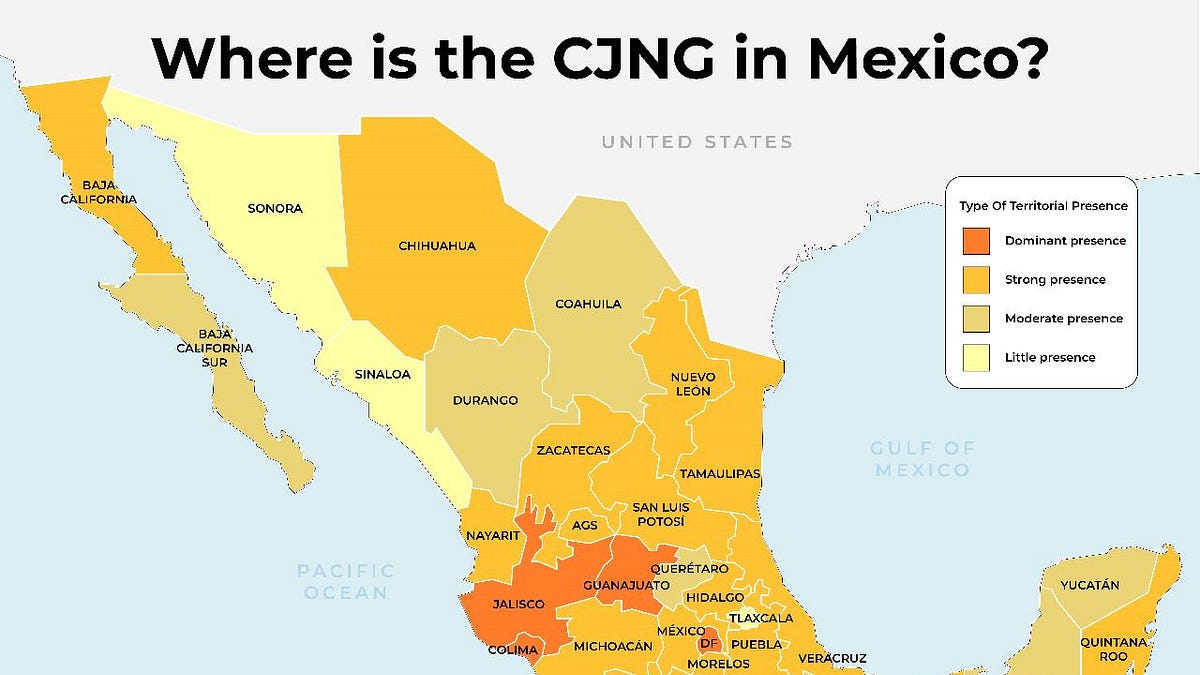
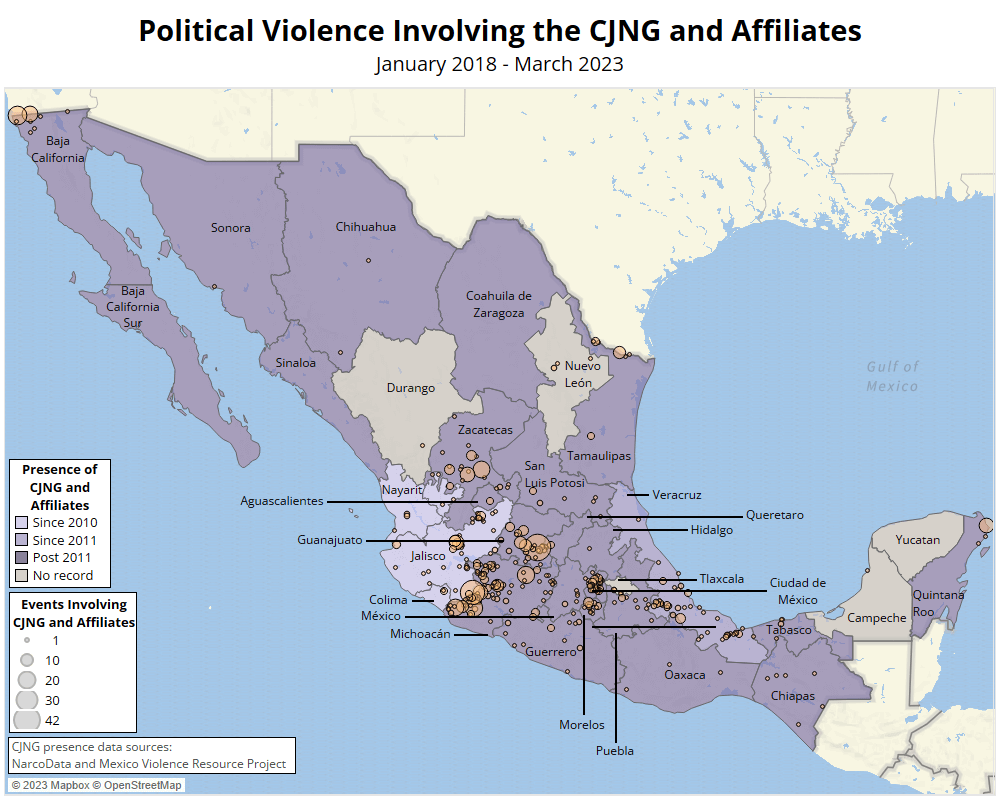
CJNG territorial presence (dominant in Jalisco, Michoacán, Colima, parts of 20+ states)
3. Sequence of Events
- Raid → Mexican Army + National Guard special forces tracked El Mencho via his girlfriend’s movements → mountain hideout in Tapalpa → intense firefight → 6 bodyguards killed → El Mencho wounded, taken into custody, died while being airlifted to Mexico City.
- Retaliation → CJNG activated “Plan de Contingencia” → simultaneous attacks & blockades from Sunday night → burning buses & vehicles in Guadalajara, Michoacán → direct assaults on National Guard patrols.
- Spread → Violence reached neighbouring states; Indian Embassy in Mexico also issued advisory for Indian nationals.
Government & International Response
- President Claudia Sheinbaum (first female President, Morena party): “Mexico is calm… greater calm today… peace & security guaranteed.”
- Security Secretary Omar García Harfuch: Gave exact casualty figures; confirmed 2,500 troops rushed to Jalisco.
- US Role: Intelligence sharing praised; Trump administration called it “great development” in fight against fentanyl.
- Travel advisories issued by US, UK, Canada, Australia; some airlines cancelled flights.
Mexican President holds briefing on killing of drug lord
5. Major Challenges Highlighted
- Power vacuum & succession war likely inside CJNG → risk of splintering or intensified turf wars with Sinaloa Cartel.
- Limits of militarised approach: Mexico’s “War on Drugs” (since 2006 under Calderón) has caused >400,000 deaths; cartels still thrive.
- Hybrid threats: Cartels function as near-state actors with better weapons, tech & corruption networks than some state forces.
- Economic hit: Tourism, avocado exports, World Cup preparations disrupted.
- Fentanyl crisis: US overdose deaths (~70,000/year) largely from CJNG-supplied drugs.
6. Significance & Global Context
-
Biggest blow to a Mexican cartel since El Chapo’s capture (2016).
-
Demonstrates US–Mexico security cooperation under new Trump administration.
-
Highlights narco-terrorism as a transnational threat — similar to India’s concerns with narco-terrorism in Punjab & J&K (drug money funding separatism).
Lessons for counter-organised crime strategy: Intelligence-led operations + whole-of-government approach (compare with India’s new PRAHAAR National Counter-Terrorism Policy released just one day earlier on 23 Feb 2026).
|
For UPSC CSE & State PSC |
|
Prelims
GS-2 (IR & Polity)
GS-3 (Internal Security)
Essay / Interview
|
Kerala Vizhinjam Seafood Incident: Suspected Tetrodotoxin (TTX) Poisoning
1. Why in News?
- On 16 February 2026 night, a six-member family from Nilamel (Kollam district) consumed seafood at Asmak Hotel/Restaurant in Vizhinjam, Thiruvananthapuram.
- Within hours (late night/early 17 Feb), multiple members developed severe symptoms: numbness, paralysis, respiratory distress → two deaths (Shaji, 42–50; Rasheeda Beevi, 58–68), one critical (Regimol/Shaji's wife), later stabilized.
- By 18–19 Feb: Additional cases reported — three more people (Thiruvananthapuram residents) sought treatment with mild symptoms after eating at the same place.
- Food Safety Commissionerate sealed the hotel; no evidence of bacterial spoilage or stale fish found during inspection.
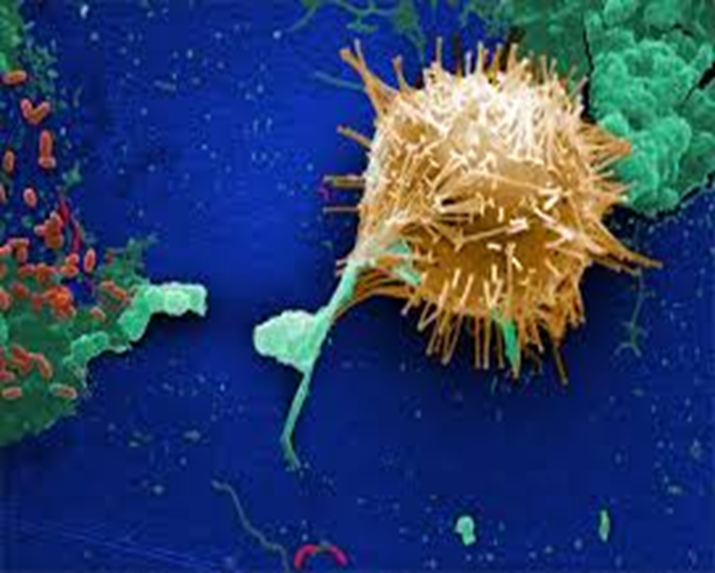
- Treating doctors & Food Safety officials suspect neurotoxin contamination, specifically Tetrodotoxin (TTX) — a naturally occurring, heat-stable, extremely potent marine neurotoxin
- Samples (fish, roe/eggs, mussels) sent to Central Institute of Fisheries Technology (CIFT), Kochi & state lab for detailed chemical/toxin analysis → results awaited to confirm TTX or other marine biotoxins (e.g., ciguatoxin, saxitoxin).
- Health Minister Veena George directed immediate probe; police case registered against hotel owner.
2. Key Facts of the Incident
- Menu consumed: Fish roe/eggs, small prawns, squid, shellfish, porotta, appam, soft drinks/bottled water.
- Onset: Rapid (within hours) → neurological symptoms (paralysis, respiratory failure) → fatalities in <24 hours.
- No bacterial evidence: Post-mortem/autopsy ruled out typical bacterial food poisoning (e.g., Salmonella, Vibrio); no spoilage detected.
- Suspicion shifted → Naturally occurring marine algal/marine biotoxins → doctors pinpoint TTX due to symptom profile & rapid fatality.
- Recent context: TTX recently detected in some red snapper (champalli) samples from Tamil Nadu coast; similar marine toxin cases reported.
3. What is Tetrodotoxin (TTX)?
- One of the most powerful natural neurotoxins known (1,200 times more toxic than cyanide).
- Source: Produced by marine bacteria; accumulates in certain fish (mainly pufferfish/Tetraodontidae family — liver, ovaries, skin, roe/eggs highest concentration).
- Also found in some other marine species (blue-ringed octopus, certain gastropods, recently in some non-puffer fish due to bioaccumulation).
- Heat-stable — cooking/frying does not destroy it.
- No antidote; treatment supportive (ventilation, symptomatic care).
- Symptoms: Tingling/numbness (lips, tongue), vomiting, paralysis (ascending), respiratory arrest → death in 4–6 hours if severe.
- Lethal dose: ~1–2 mg can kill an adult.
- TTX is classically linked to pufferfish (fugu in Japan — prepared only by licensed chefs) but increasingly reported in other fish due to environmental changes/algal blooms.
4. Why TTX Suspected Here?
- Rapid neurological onset + paralysis + fatality consistent with TTX (not typical bacterial histamine/scombroid or ciguatera).
- Fish roe/eggs consumed → high-risk part if from contaminated/puffer-like species.
- Doctors note: “Clinically consistent with TTX poisoning” — short duration, predominant neurological symptoms, death within hours.
- Ruling out: Bacterial spoilage, allergy (though initial speculation), or other common toxins
5. Broader Implications & Challenges
- Food Safety & Regulation: Highlights gaps in marine fish toxin surveillance in India (no routine TTX testing in seafood supply chains).
- Public Health Risk: Kerala’s coastal population heavily relies on seafood; increasing reports of marine biotoxins due to harmful algal blooms (climate change, pollution).
- Recent precedent: India’s first confirmed freshwater pufferfish TTX case (Gujarat, Jan 2026) — riverine risk emerging.
- Economic angle: Tourism & fishing-dependent Vizhinjam (near upcoming International Transshipment Terminal) → reputational hit if toxin contamination confirmed.
- Prevention needed: Public awareness on avoiding pufferfish/unknown roe; mandatory toxin screening for high-risk species.
6. Government & Official Response
- Food Safety Dept.: Hotel sealed; samples to CIFT & state lab (preliminary results expected soon).
- Health Dept.: Monitoring for more cases; advisory on seafood consumption.
Police: Case under Food Safety Act + possible IPC sections (negligence causing death)
|
For UPSC CSE & State PSC |
|
Prelims
GS-2 (Governance & Health)
GS-3 (Disaster Management, Environment, Security)
Essay/Interview
|
Canada-India Relations: PM Mark Carney’s Visit to India
1. Why in News?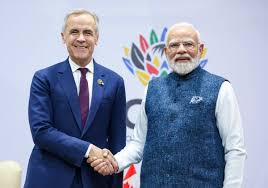
- On 23 February 2026, Canadian Prime Minister Mark Carney announced his first major overseas tour: a three-nation Indo-Pacific visit to India, Australia, and Japan from 26 February to 7 March 2026.
- India is the first and most prominent stop → Carney arrives in Mumbai on 27 February 2026 (or late 26th), meets business leaders, then travels to New Delhi for bilateral talks with PM Narendra Modi on 2 March 2026.
- Official statement from PMO Canada describes India as one of Canada’s “strongest Indo-Pacific partners” → focus on elevating and expanding ties in trade, energy, technology (including AI), talent & culture, defence & security.
- Described across media as a major diplomatic & economic reset after years of strained relations (2023–2025) due to the Hardeep Singh Nijjar killing allegations and Khalistani separatism issues.
- Comes amid Canada’s broader strategy to diversify trade & reduce over-dependence on the United States (especially post-Trump tariffs/“America First” policies).
2. Background: Mark Carney as Canadian PM & Context of Strained Ties
- Mark Carney (former Bank of England & Bank of Canada Governor, UN climate envoy) became Canadian PM after Liberal victory in 2025 elections (following Justin Trudeau’s exit amid low popularity).
- Relations hit historic low in June 2023 → Canada accused Indian government agents of involvement in killing of Khalistani separatist Hardeep Singh Nijjar in Surrey, BC → India rejected allegations as “absurd”, expelled diplomats, suspended visa services.
- Tensions continued 2023–2025: Canada expelled Indian diplomats, India restricted Canadian diplomats, trade talks stalled, high commissioners recalled.
Partial thaw:
-
- Modi invited to G7 Kananaskis (June 2025) → sideline meeting with Carney.
- High commissioners restored.
- G20 2025 → agreement to launch Comprehensive Economic Partnership Agreement (CEPA) negotiations → target to double bilateral trade to CAD 70 billion (~USD 51 billion) by 2030.
3. Itinerary & Key Focus Areas of the Visit
- Mumbai (27 Feb onward): Business engagements, investment promotion, meetings with Indian industry leaders (energy, critical minerals, tech).
- New Delhi (2 March): Official bilateral meeting with PM Modi → expected deliverables:
- Progress on CEPA negotiations (launched 2025).
- New partnerships in clean/fossil fuel energy transition, nuclear energy, critical minerals (lithium, cobalt for EV batteries).
- AI & technology cooperation (talent mobility, joint R&D).
- Defence & security → practical collaboration on law enforcement, intelligence sharing, countering transnational threats (officials hope to address India’s concerns sensitively).
- Talent & culture → student mobility, skilled migration pathways.
- Broader message: “In a more uncertain world, Canada is focused on what we can control — diversifying trade, attracting investment, creating new partnerships.”
4. Significance & Strategic Importance
-
For Canada
- Trade diversification away from US amid tariff threats & protectionism.
- India = fast-growing market, huge diaspora (~1.4 million Canadians of Indian origin), critical minerals & energy partner.
- Indo-Pacific strategy alignment (Quad partner India, close ally Australia & Japan).
-
For India
- Strengthens Indo-Pacific positioning (Quad, I2U2, etc.).
- Access to Canadian critical minerals, clean tech, investment in semiconductors/energy.
- Opportunity to reset narrative on security concerns while advancing economic agenda.
- Demonstrates India’s diplomatic leverage — Carney visiting early in term signals priority.
-
Global Context
- Reflects multipolar realignment: Middle powers seeking alternatives amid US-China rivalry.
- Link to India’s PRAHAAR Counter-Terror Policy (released 23 Feb 2026) → security cooperation may feature subtly.
5. Major Challenges & Sensitivities
- Lingering Nijjar case: Trial of four arrested suspects ongoing in Canada; India wants sensitive handling to avoid derailment.
- Khalistani activism: Canada’s Sikh diaspora & freedom of expression vs. India’s concerns over separatism/terrorism.
- Expectations mismatch: India prioritizes economic gains; Canada seeks balanced reset including security dialogue.
No formal joint statement yet on “reset” language — cautious optimism.
|
For UPSC CSE & State PSC |
|
Prelims
GS-2 (International Relations)
GS-3 (Economy & Security)
Essay / Interview
|
Delhi-NCR Air Pollution: Supreme Court Directs Centre on Shifting Coal-Based Industries & 300 km Ban on New TPPs
1. Why in News?
- On 23 February 2026, a Supreme Court bench headed by Chief Justice of India Surya Kant (with Justices Joymalya Bagchi & Vipul M Pancholi) heard long-pending matters on Delhi-NCR air pollution (stemming from MC Mehta PILs since 1985–86).
- The Court sought responses from Union Ministries (Environment, Forest & Climate Change – MoEFCC, Power, Petroleum & Natural Gas – MoPNG) on Commission for Air Quality Management (CAQM) recommendations for phasing out / shifting coal-based industries from Delhi-NCR.
- Key proposal under consideration: No new coal-based thermal power plants (TPPs) to be established within 300 km radius of Delhi to curb emissions.
- Court directed NCR states (Uttar Pradesh, Haryana, Rajasthan) to issue public notices inviting suggestions/objections from stakeholders (including industries) on phasing out coal-based units.
- Next hearing on vehicular pollution aspects fixed for 12 March 2026.
- Bench emphasized long-term structural measures beyond seasonal GRAP (Graded Response Action Plan) actions.
2. Key Directions & Proposals from Supreme Court
- Joint proposal from Ministries (MoEFCC + Power + MoPNG): Identify all coal-based industries in NCR → assess feasibility of shifting them out → explore viable alternative fuels (e.g., PNG – Piped Natural Gas, biomass, electricity)
- Interim feasibility study by Delhi, Haryana & other authorities on logistics, relocation sites & operational modalities.
- Ban on new coal-based TPPs within 300 km of Delhi: Court to examine CAQM’s explicit recommendation citing high SO₂, NOx, PM emissions from such plants.
- Public consultation: UP, Haryana, Rajasthan to issue notices under Court’s authority → treat responses as part of action plans.
- Delhi Govt role: File detailed action-taken report on operationalising CAQM’s long-term recommendations (agency-specific responsibilities assigned).
3. Role of Commission for Air Quality Management (CAQM)
- Established under CAQM in NCR & Adjoining Areas Act, 2021 (after repeated SC nudges).
- Statutory body with overriding powers over states/Centre on air quality in NCR + adjoining districts (Punjab, Haryana, UP, Rajasthan).
- Recent status report (Jan/Feb 2026) highlighted:
- Need to eliminate coal as fuel in NCR industries.
- Develop PNG infrastructure in industrial areas with uniform/affordable pricing.
- No new coal-based TPPs within 300 km radius (considering cumulative emissions impact).
- Long-term measures for vehicular emissions, construction dust, stubble burning.
- CAQM has identified implementing agencies → SC directed Delhi Govt to operationalise them.
4. Broader Context: Delhi-NCR Air Pollution Crisis
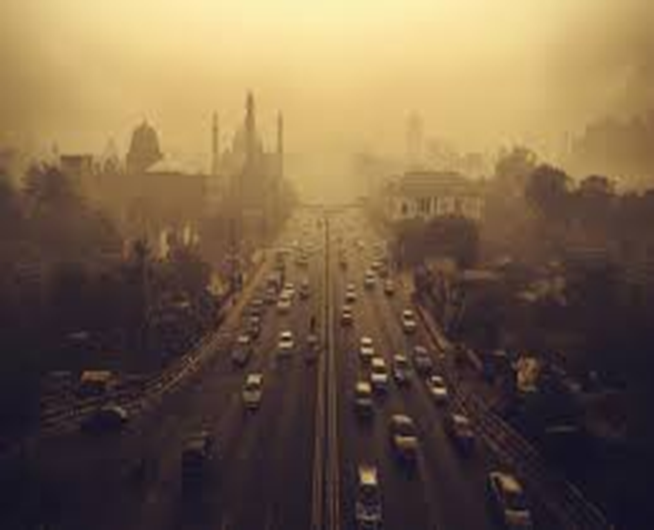
- Delhi AQI frequently “Severe”/“Very Poor” in winters due to stubble burning (30–40%), vehicular emissions (~30%), industrial/TPP emissions, dust, Diwali fireworks.
- Coal-based industries & TPPs in NCR & periphery (e.g., Haryana’s Panipat, Sonipat; UP’s Baghpat, Gautam Budh Nagar; Rajasthan’s Alwar) contribute significantly to PM2.5, SO₂.
- Existing major TPPs nearby: Badarpur (shut), Dadri (NTPC), Rajiv Gandhi (Hisar), etc. — new ones proposed in past faced opposition.
- Judicial history: SC banned old diesel vehicles, enforced CNG shift, closed Badarpur TPP (2018), directed GRAP enforcement.
5. Major Challenges Highlighted
- Economic & employment impact: Shifting industries could affect lakhs of jobs in brick kilns, steel rolling, ceramics, etc.
- Alternative fuel viability: PNG availability limited; cost higher than coal in many areas.
- Inter-state coordination: Pollution travels across borders → need uniform enforcement.
- Energy transition: India’s coal dependence for power (~70% generation) vs. clean air goals.
- Implementation gaps: Past CAQM directions often delayed by states.
|
For UPSC CSE & State PSC |
|
Internal Security & Environment (GS-3)
GS-2 (Governance & Polity)
GS-3 (Disaster Management & Environment)
Essay / Interview
|
President Droupadi Murmu Unveils Bust of C. Rajagopalachari (Rajaji) at Rashtrapati Bhavan – Symbolic Step in Decolonisation
1. Why in News?
- On 23 February 2026, President Droupadi Murmu unveiled a bust of Chakravarti Rajagopalachari (popularly known as Rajaji or Rajagopalachari) at Rashtrapati Bhavan.
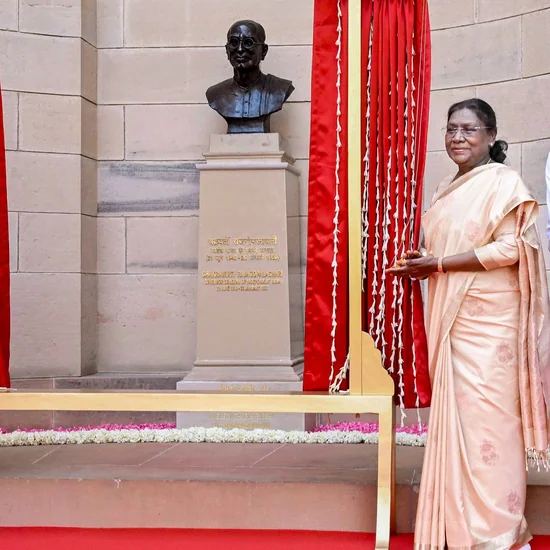
- The bust replaces the earlier bust/statue of British architect Edwin Lutyens (chief designer of New Delhi and Rashtrapati Bhavan itself during colonial era).
- Location: Grand Open Staircase near Ashok Mandap, opposite Mahatma Gandhi's statue.
- Event held during Rajaji Utsav (celebration of Rajaji's life & contributions) — exhibition on Rajaji open to public from 24 February to 1 March 2026 at Rashtrapati Bhavan.
- President hailed it as part of a series of steps to shed vestiges of colonial mindset, embrace India's heritage, culture, timeless traditions, and honour freedom fighters' extraordinary contributions to Bharat Mata.
- PM Narendra Modi (in message read by Culture Minister Gajendra Singh Shekhawat) called it an important act of mental decolonisation — placing India's democracy as politically independent and culturally self-assured.
- Attendees: Vice President C.P. Radhakrishnan, Rajaji's family members, Union ministers.
2. Who was C. Rajagopalachari (Rajaji)?
- Born 1878, Salem (Madras Presidency); died 1972.
- Freedom fighter, lawyer, journalist, statesman.
- Key roles:
- Close associate of Mahatma Gandhi; participated in Non-Cooperation, Salt Satyagraha, Quit India.
- First & only Indian Governor-General of independent India (21 June 1948 – 26 January 1950) — after Lord Mountbatten.
- Chief Minister of Madras (1952–54) — introduced Hindi education (controversial), educational reforms.
- Founder of Swatantra Party (1959) — first major opposition to Congress; advocated free-market, anti-licence raj.
- Bharat Ratna (1954) — first recipient from South India.
- Known for intellectual depth, integrity, opposition to socialism, advocacy for linguistic states, Hindu–Muslim unity efforts. Literary contributions: Tamil & English writings; simplified Mahabharata & Ramayana.
3. Significance of the Move
- Symbolic Decolonisation: Rashtrapati Bhavan (formerly Viceroy's House) designed by Lutyens as symbol of British imperial power.
- Replacing Lutyens' bust with Rajaji's (first Indian to occupy the highest constitutional post post-independence) marks mental/cultural decolonisation.
- Aligns with broader efforts: renaming Rajpath → Kartavya Path, removal of colonial symbols, emphasis on indigenous icons.
- Rajaji Utsav: Exhibition highlights Rajaji's life, thoughts, contributions — promotes national pride in freedom fighters.
- President's Message: India must take inspiration from icons like Rajaji, Ramakrishna Paramahamsa, Mahatma Gandhi to build Viksit Bharat — connecting heritage with future aspirations.
- PM's Emphasis: Reflects resolve to honour nation-shapers & shed colonial remnants; Rajaji provided stability during transition (1948–50).
-
Broader Context: Decolonisation Drive in India
- Part of ongoing cultural-nationalist push:
- Renaming roads, institutions (e.g., Mughalsarai → Deen Dayal Upadhyaya, Connaught Place discussions).
- Emphasis on pre-colonial/ freedom-era icons in public spaces.
- Contrast with colonial symbols (Lutyens' Delhi as "power corridor").
- Lutyens' great-grandson expressed regret over removal (reported in media).
- Links to cultural self-confidence narrative in New India.
-
For UPSC CSE & State PSC
Prelims
- Personalities: C. Rajagopalachari — roles (Governor-General 1948–50, CM Madras, Swatantra Party founder, Bharat Ratna 1954).
- Key facts: Only Indian GG post-independence; replaced Lutyens bust (2026).
- Events: Rajaji Utsav (Feb–March 2026).
GS-1 (History & Culture)
- Freedom struggle leaders beyond Congress mainstream (Rajaji's ideological differences with Nehru).
- Post-independence transition (1947–50): Role of Governor-General.
GS-2 (Polity & Governance)
- Symbolic governance: Role of President, cultural symbolism in nation-building.
- Decolonisation & national identity in contemporary India.
GS-4 (Ethics)
- Integrity, intellectual independence (Rajaji's life).
- Balancing heritage pride with modern progress.
Essay / Interview
- “Decolonisation of the mind: From symbols to substance in post-colonial India.”
- “Honouring freedom fighters: Role of public memory in nation-building.”
WhatsApp-Meta Privacy Policy Case: Supreme Court Hearing
Why in News?
- On 23 February 2026, a Supreme Court bench headed by Chief Justice of India Surya Kant (with Justices Joymalya Bagchi & Vipul M Pancholi) heard appeals by Meta Platforms Inc. and WhatsApp LLC against National Company Law Appellate Tribunal (NCLAT) order upholding ₹213.14 crore penalty imposed by Competition Commission of India (CCI).
- WhatsApp (represented by Senior Advocate Kapil Sibal) asserted:
- It does not share user data with Meta (parent company).
- End-to-end encryption (E2EE) protects personal messages/calls — inaccessible even to WhatsApp/Meta.
- No reading of private chats, no selling of user data, no use of message content for targeted ads.
- It does not share user data with Meta (parent company).
- WhatsApp committed to full compliance with NCLAT directions on user consent for any non-core data sharing (including advertising) by 16 March 2026.
- Court disposed of stay pleas; directed WhatsApp/Meta to file compliance affidavit with CCI → matter remains pending for deeper examination of privacy policy.
- Earlier (3 Feb 2026): SC strongly criticised “take-it-or-leave-it” policy as misleading “silent consumers”, monopoly abuse, and “decent way of committing theft” of private data.
-
Key Visual — WhatsApp privacy policy update notification (2021) that triggered CCI probe
(Representational: WhatsApp's 2021 privacy update screen prompting data sharing consent)
Background & Timeline of the Case
- 2021 Privacy Policy Update (Jan 2021): WhatsApp mandated sharing of certain user data (device info, IP, interactions, etc.) with Meta companies for “integration, security, ads” — made acceptance compulsory (“take-it-or-leave-it”).
- CCI Investigation (2021): Found abuse of dominance under Competition Act, 2002 → coercive consent, unfair conditions, leveraging OTT dominance into online advertising.
-
CCI Order (Nov 2024):
-
- Imposed ₹213.14 crore penalty on Meta/WhatsApp.
- 5-year ban on sharing WhatsApp data with Meta for advertising.
-
NCLAT Ruling (Nov 2025, clarified Dec 2025):
-
- Upheld ₹213.14 crore penalty.
- Set aside 5-year ad ban (no blanket prohibition).
- Directed enhanced safeguards:
- Transparent explanation of data shared & purpose.
- Non-mandatory sharing for non-core services.
- Prominent opt-out/revocable consent option (in-app notification + settings tab).
- Applies to both advertising & non-advertising purposes.
- Supreme Court Appeals (2025–26): Meta/WhatsApp challenged penalty & directions; CCI cross-appealed for re-imposition of ban.
Key Statements in SC
-
WhatsApp/Meta (Kapil Sibal):
-
- Technology emphasises privacy; no violation.
- Comply with NCLAT by 16 Mar 2026 → users get clear choice on data sharing.
- Blanket ban would hurt small businesses (reliant on targeted ads), user experience, legitimate functions.
-
CCI (Madhavi Divan):
-
- Data sharing has many facets: privacy + market/consumer protection.
- CCI’s original 5-year ad ban still under challenge → silent consumers exploited.
-
SC Observations:
-
- Privacy right (Art. 21) paramount.
- Will not allow exploitation of Indian citizens’ data.
- CCI to examine compliance affidavit.
Broader Implications & Challenges
- Data Privacy vs. Competition Law: Intersection of Personal Data Protection Act (pending full enforcement) & Competition Act — coercive consent as anti-competitive.
- User Impact: Millions of “silent consumers” (rural/elderly/digital dependents) unaware of implications.
- Global Tech Regulation: India’s assertive stance (like EU GDPR) on Big Tech dominance, data monopolies.
- Business Angle: Targeted ads fund free services; ban could affect small Indian businesses using Meta ads.
- E2EE Assurance: WhatsApp reiterated no access to message content — only metadata/device data potentially shared.
India Among Top Four Contributors to Global Pesticide Toxicity: Landmark Study in Science
Why in News?
- A major peer-reviewed study published in Science journal (5 February 2026) titled “Increasing applied pesticide toxicity trends counteract the global reduction target to safeguard biodiversity” revealed that China, Brazil, the United States, and India together account for 53–68% (nearly 70%) of the world’s Total Applied Toxicity (TAT) from pesticides.
- TAT measures the ecological toxicity of pesticides applied in agriculture, weighted by the amount used and their toxicity to non-target species (insects, pollinators, birds, fish, soil organisms, plants).
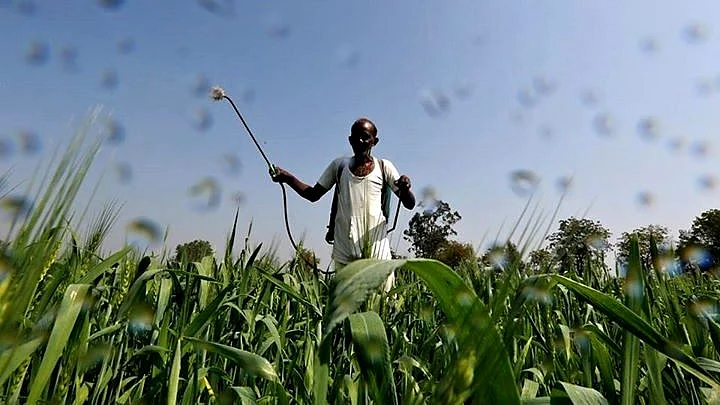
- India’s TAT has increased significantly (2013–2019 data), driven by higher volumes on key crops and use of more toxic active ingredients (especially insecticides).
- The study warns that rising pesticide toxicity threatens the Kunming-Montreal Global Biodiversity Framework (adopted at COP15, 2022) target to reduce pesticide risk by 50% by 2030.
- Only Chile is on track to meet the target; India, US, Brazil, and several African countries show upward trends.
- Indian media (The Hindu, The Quint, etc.) highlighted India’s role on 23 February 2026, amid concerns over the pending Pesticides Management Bill 2025 (expected in Parliament March 2026).
Key Findings of the Study (Science, Feb 2026)
- Analysed 625 pesticides across 201 countries (2013–2019 data).
- TAT increased for most species groups:
- Insects: +42.9% (highest rise).
- Soil organisms: +30.8%.
- Other groups (pollinators, birds, fish, plants): notable increases.
- Only ~20 pesticides per species group drive >90% of national TAT → focus on high-impact chemicals (e.g., insecticides dominant).
- Major crops contributing 76–83% of global TAT: fruits, vegetables, maize, soybean, rice, other cereals.
- Top contributors (53–68% global TAT): China > Brazil > US > India.
- Rise due to:
- Expanding farmland & intensified agriculture.
- Shift to more toxic active ingredients (especially insecticides).
- India-specific: Continues use of at least 66 pesticides banned elsewhere (e.g., paraquat banned in EU but used in India).
Implications for India
- Biodiversity & Ecology: High TAT harms non-target species → pollinator decline, soil health loss, aquatic ecosystem damage.
- Human Health: Residues in food chain, farmer exposure (e.g., Yavatmal cotton belt incidents), chronic effects.
- Agriculture: India’s pesticide consumption rising (low per hectare but high volume due to area); reliance on chemical-intensive farming for food security.
- Regulatory Gaps:
- Outdated Insecticides Act 1968 (experts call it inadequate for modern misuse/overuse).
- Pending Pesticides Management Bill 2025: Aims to promote low-toxicity/bio-based alternatives, incorporate traditional knowledge, but critics fear it may not sufficiently curb highly hazardous pesticides (HHPs).
- India banned/restricted several HHPs (e.g., chlorpyrifos additions via Stockholm Convention 2025), but many remain in use.
Global Context
- UN target (COP15): Halve pesticide risk by 2030 → current trends moving opposite direction.
- Other nations: EU leads in bans (e.g., chlorpyrifos, paraquat); China/Brazil also high users.
- Call for action: Coordinated global reduction, shift to IPM (Integrated Pest Management), biopesticides, precision agriculture.
Major Challenges Highlighted
- Balancing food production vs. ecological/health risks in large agrarian economies.
- Overuse/misuse in smallholder farming (poor regulation, cheap HHPs).
- Export/import issues: Indian produce faces residue rejections abroad.
- Climate change: Intensified pest pressure may increase pesticide dependence.
|
For UPSC CSE & State PSC |
|
Prelims
GS-3 (Environment & Ecology)
GS-3 (Agriculture)
GS-2 (Governance)
Essay / Interview
|
The Quiet Crisis of Adolescent Mental Health in India
1. Why in News?
- An opinion-lead article titled “The quiet crisis of adolescent mental health in India” was published in The Hindu on 23–24 February 2026, highlighting the growing, under-addressed burden of mental health issues among children and adolescents.
- It draws on clinical observations, population data, and recent policy acknowledgements (e.g., Economic Survey 2025-26 released January 2026).
- The piece coincides with ongoing discussions post-ANCIPS 2026 (Annual National Conference of Indian Psychiatric Society, January 2026), where experts revealed nearly 60% of mental disorders diagnosed in individuals below 35 years, with early onset in adolescence.
- Union Budget 2026-27 (announced February 2026) prioritised mental health: second NIMHANS campus in North India, trauma care expansion, workforce training — signalling policy shift amid rising youth distress.
- Broader context: Rising screen addiction, digital stress, academic pressure, and unregulated online exposure exacerbate the issue, as noted in NCERT surveys and UNICEF reports.
Extent of the Problem (Key Statistics)
- Prevalence:
- National Mental Health Survey (2015–16) & follow-up studies: 7–10% of Indian adolescents have diagnosable mental health conditions.
- 5–7% of school-aged children have ADHD.
- Recent estimates (ANCIPS 2026): 60% of all mental disorders diagnosed below age 35; median onset 19–20 years.
- School-going children: 25.92% show depression symptoms; 13.70% anxiety (Delhi study).
- UNICEF/NCERT: 7.3% of 18–29 youth face mental morbidity; 11% anxiety, 14% extreme emotions, 43% mood swings among students.
- Global comparison: Half of mental disorders begin by age 14; 75% by mid-20s.
- Suicide & Self-Harm: Suicide leading cause of death in 15–29 age group; India among highest youth suicide rates globally.
- Treatment Gap: Only 0.75 psychiatrists per 100,000 population (vs. global benchmark >3); severe shortage of child/adolescent specialists, psychologists, psychiatric social workers.
- Urban-Rural Divide: Higher in urban metros (nearly double rural areas).
Root Causes & Contributing Factors
- Early Vulnerability: Biological (hormonal changes), environmental (family neglect, trauma, chronic stress), cognitive (poor emotional regulation).
- Digital Environment: Unregulated social media, cyberbullying, screen addiction → anxiety, low self-esteem, disrupted sleep, weakened social bonds.
- Academic & Social Pressures: Intense competition, parental expectations, unemployment fears, peer comparison.
- Other Triggers: Pandemic aftermath, urbanisation, economic stress, fragmented family support.
Consequences & Broader Impact
- Poor academic performance, dropout, behavioural issues.
- Long-term: Chronic disorders, reduced productivity, economic loss (projected USD 1 trillion globally 2012–2030).
- Inter-generational: Untreated issues affect future parenting, societal well-being.
Recommended Interventions (from Article & Experts)
- Family Level: Backdrop support, emotional availability, limit screen time.
- School Level: Integrate mental health in curriculum, train teachers/counsellors, peer support, safe spaces.
- Community/Policy: Early screening, destigmatisation campaigns, tele-counselling expansion.
- Professional: Increase child psychiatrists/psychologists; evidence-based therapies (e.g., DBT for suicidality).
- Systemic: Strengthen NIMHANS, district-level services, integrate into Ayushman Bharat; preventive strategies in Economic Survey 2025-26.
- Emerging: AI/digital tools (e.g., Imperial College project for rural girls), whole-school programs (SAMA feasibility in Karnataka).
Government & Policy Response (2026 Updates)
- Economic Survey 2025-26: Acknowledged rising youth challenges; proposed prevention.
- Union Budget 2026-27: Second NIMHANS campus, trauma care in districts, workforce training, focus on vulnerable groups.
- Ongoing: Tele-MANAS expansion, school-based pilots.
|
For UPSC CSE & State PSC |
|
Prelims
GS-2 (Governance & Health)
GS-1 (Society)
GS-3 (Disaster Management/Health)
Essay / Interview
|
India AI Impact Summit 2026: A Landmark Global Event on AI for Inclusive Growth
Why in News?
- The India AI Impact Summit 2026 (officially India–AI Impact Summit) was held from 16–20 February 2026 at Bharat Mandapam, New Delhi — the first-ever global AI summit hosted in the Global South.
- Inaugurated by Prime Minister Narendra Modi on 19 February 2026; co-addressed by French President Emmanuel Macron and attended by heads of state (e.g., Brazilian President Lula da Silva), UN Secretary-General Antonio Guterres, and CEOs from OpenAI (Sam Altman), Anthropic (Dario Amodei), Google (Sundar Pichai), Nvidia, Microsoft, Google DeepMind (Demis Hassabis), Reliance (Mukesh Ambani), and others.
- Record attendance: 250,000+ visitors, 300+ exhibitors from India & 30+ countries, 10+ thematic pavilions, $200 billion+ in pledged investments/collaborations.
- Culminated in AI Impact Summit Declaration (19 February 2026) signed by multiple countries — focused on People, Planet, and Progress: ethical AI, inclusive growth, public good applications (health, agriculture, education, climate).
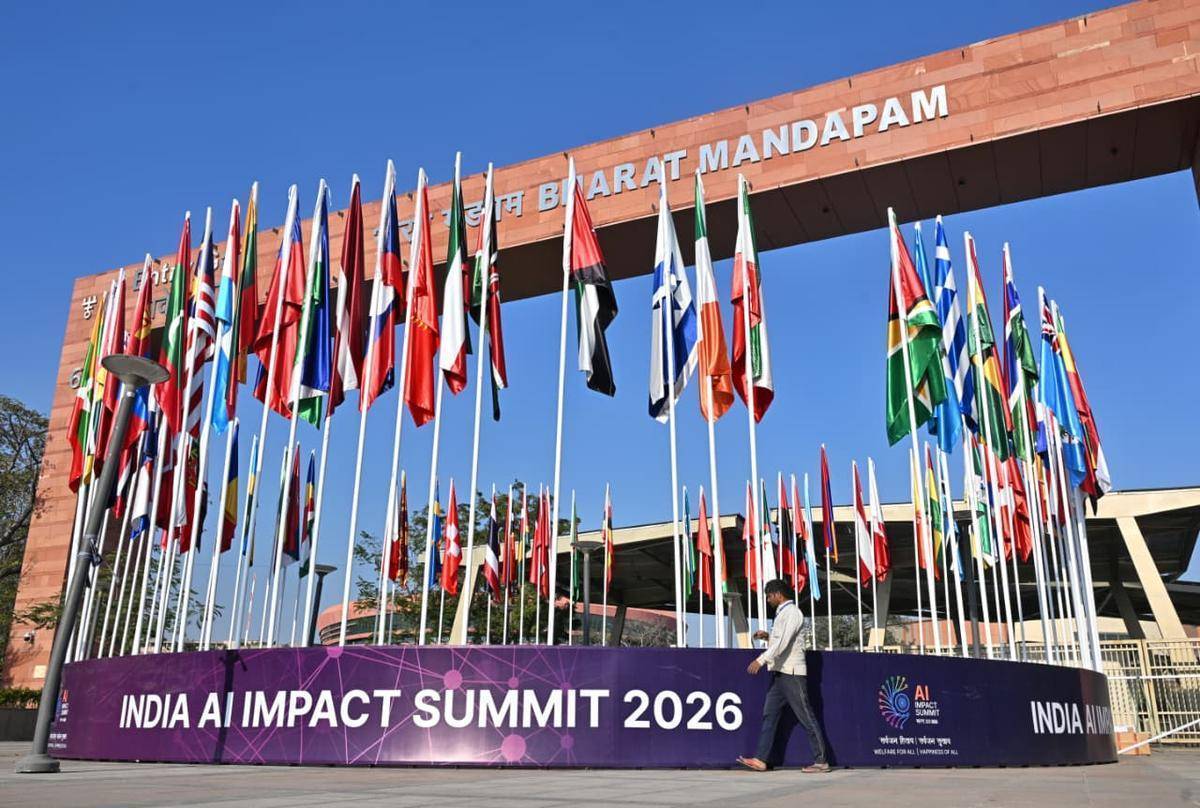
- Anchored in IndiaAI Mission (MeitY); positioned India as a voice for Global South in AI governance, shifting from “safety/action” (previous summits: Bletchley Park 2023, Seoul 2024, Paris 2025) to impact & implementation.
- Side controversies: Massive traffic chaos, organisational glitches, shirtless Youth Congress protest (20 Feb) against Indo-US trade deal, no-show by some invitees (e.g., Bill Gates), robot-dog demo fraud allegations.
- PM Narendra Modi with global AI leaders (Sam Altman, Dario Amodei, Sundar Pichai) at the summit’s group photo (19 Feb 2026)
Key Highlights & Outcomes
- Theme: Democratisation of AI — making benefits accessible, inclusive, and impactful for all, especially developing nations.
- Major Announcements:
- Google DeepMind: Partnerships for science, student empowerment, agriculture, renewable energy.
- IndiaAI Mission advancements: Compute infrastructure, talent development, ethical frameworks.
- Bilateral meetings: PM Modi with Sam Altman (OpenAI), UN chief Guterres, multiple heads of state.
- Roundtables: PM with 16 AI/deeptech startup CEOs.
- Declaration Focus:
- AI for social good: Healthcare diagnostics, precision agriculture, education personalisation, climate modelling.
- Ethical safeguards: Human rights, bias mitigation, data privacy.
- Global cooperation: Capacity-building for Global South, reducing digital divide.
- India’s Positioning: Showcased indigenous AI (e.g., PARAM-2 supercomputer upgrade), talent pool, startup ecosystem; aimed to attract investment while advocating for equitable AI rules.
Significance for India
- Strategic: First Global South host — elevates India’s role in global AI governance (post-Paris 2025 co-chair with France).
- Economic: $200 billion+ pledges → boost to startups, compute infra, jobs in AI/tech.
- Social Impact: Emphasis on inclusive AI (e.g., for farmers, rural health, women-led innovation via AI by HER challenge).
- Geopolitical: Middle-power diplomacy — India as bridge between US/China-led models and developing world needs.
- Domestic Push: Aligns with Viksit Bharat vision; reinforces IndiaAI Mission (₹10,000+ crore outlay).
Challenges & Criticisms
- Logistical issues: Traffic gridlock, venue overcrowding, last-minute evictions for VIPs.
- Protests: Youth Congress demo (shirtless) linked to broader political discontent.
- Amnesty International critique: Declaration failed to strongly curb harmful government/corporate AI uses (surveillance, etc.).
- Execution gaps: Some called it chaotic despite scale
|
For UPSC CSE & State PSC |
|
Prelims
GS-2 (International Relations)
GS-3 (Technology & Economy)
GS-2 (Governance)
Essay / Interview
|
India’s Energy Shift Through the Green Ammonia Route
Why in News?
- An op-ed in The Hindu titled “India’s energy shift through the green ammonia route” (published 23 February 2026, updated 24 February) highlighted India’s pioneering green ammonia auction model under the National Green Hydrogen Mission (NGHM) as a potential game-changer for global clean energy adoption.
- Key trigger: Successful conclusion of Solar Energy Corporation of India (SECI) tender (June 2024–August 2025) for 724,000 tonnes/year of green ammonia supply to 13 fertilizer plants → record-low discovered price of ₹49.75/kg (~$569–572/MT), 35–50% below global benchmarks (e.g., H2Global ~$1,153/MT).
- At India Energy Week (IEW) 2026 (January 2026), PM Narendra Modi positioned green hydrogen/ammonia as central to India’s $500 billion energy investment opportunity.
- Recent developments: MoUs for large-scale projects (e.g., NTPC Green Energy-Assago green urea at Pudimadaka), export visibility from 2028, and policy push for cost convergence.
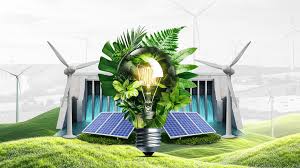
Green ammonia production schematic — combining green hydrogen (from renewables) with nitrogen for zero-carbon fertilizer/fuel (Representational)
What is Green Ammonia & Why the Focus?
- Green ammonia (NH₃): Produced by Haber-Bosch process using green hydrogen (electrolysed via renewable energy) + nitrogen (air separation) → zero direct CO₂ emissions.
- Unlike grey ammonia (natural gas-based, ~2% global CO₂ emissions), green ammonia is net-zero fuel/chemical.
- Strategic uses in India:
- Fertilizer sector (world’s 2nd largest consumer): Replace imported natural gas/urea dependency.
- Energy carrier: Marine bunkering, power generation, hydrogen transport (easier to ship/store than pure H₂).
- Industrial feedstock: Steel, refineries, chemicals.
- Global context: Leading green hydrogen derivative adoption; EU/S. Korea tenders drive demand.
Key Policy & Mechanism: National Green Hydrogen Mission (NGHM, 2023)
- Target: 5 MMT green hydrogen by 2030 (may slip to 2032); derivatives like green ammonia/methanol included.
- SIGHT Programme (Strategic Interventions for Green Hydrogen Transition): ₹17,490 crore outlay (2025–30):
- Component I: Electrolyser manufacturing incentives.
- Component II: Production incentives (Mode 2A for green ammonia: fixed incentives declining over 3 years — ₹8.82/kg Yr1 → ₹5.30/kg Yr3).
- SECI Aggregated Demand Auction (2024–25): 724,000 tpa to fertilizer units → 10-year fixed-price offtake → market certainty for investors.
- Incentives: ISTS waiver (25 years), renewable power banking, state subsidies (Odisha, Rajasthan, UP offer capital/land rebates).
Major Projects & Investments (2025–2026 Updates)
- Pudimadaka Green Hydrogen Hub (Andhra Pradesh): NGEL-Assago MoU (Feb 2026) → 7 GW electrolysers + 20 GW RE → 2.5 MMTPA green chemicals (ammonia, methanol, urea, e-SAF).
- AM Green (Kakinada, Andhra Pradesh): 1 MTPA plant under construction; FID 2024; exports to Uniper (Germany) from 2028.
- Hynfra-Yamna JV (Visakhapatnam): Up to 1 MTPA ammonia + 3 GW RE; ~$4 billion investment.
- Others: JSW Energy green H₂ to steel; multiple GW-scale proposals in Odisha, Rajasthan, Gujarat.
Achievements & Cost Breakthroughs
- Price discovery: ₹49.75/kg (~$569/MT) — competitive vs. grey ammonia imports.
- Market participation: 15 bidders → 7 winners; broader than EU/H2Global tenders.
- Export potential: First shipments 2028; India eyes 10% global green H₂ market share post-2030.
- Domestic push: Fertilizer shift reduces import bill; supports net-zero in hard-to-abate sectors.
Challenges & Way Forward
- Cost barriers: High capex for electrolysers/RE; need further scale & tech maturity.
- Infrastructure: Delivery points, transport (ports, pipelines), storage.
- Demand certainty: Beyond fertilizer — expand to shipping, steel, power.
- Global alignment: Match EU/S. Korea import standards; mitigate risks in value chain.
|
For UPSC CSE & State PSC |
|
Prelims
GS-3 (Environment & Energy)
GS-3 (Economy & Infrastructure)
GS-2 (Governance)
Essay / Interview
|
|
Prelims
GS-3 (Environment & Energy)
GS-3 (Economy & Infrastructure)
GS-2 (Governance)
Essay / Interview
|
India-Brazil Relations: Strengthening Strategic Partnership Amid Global Trade & Geopolitical Shifts
Why in News?
- An op-ed in The Hindu titled “Stick together: India and Brazil have realised the importance of their relationship” (published 23 February 2026) urged both nations to deepen bilateral ties amid rising protectionism, US tariff threats under Trump 2.0, and global supply-chain disruptions.
- Key trigger: Brazilian President Luiz Inácio Lula da Silva’s visit to India (late January–early February 2026) — first high-level exchange since Trump’s return — focused on trade, energy, agriculture, and multilateral coordination.
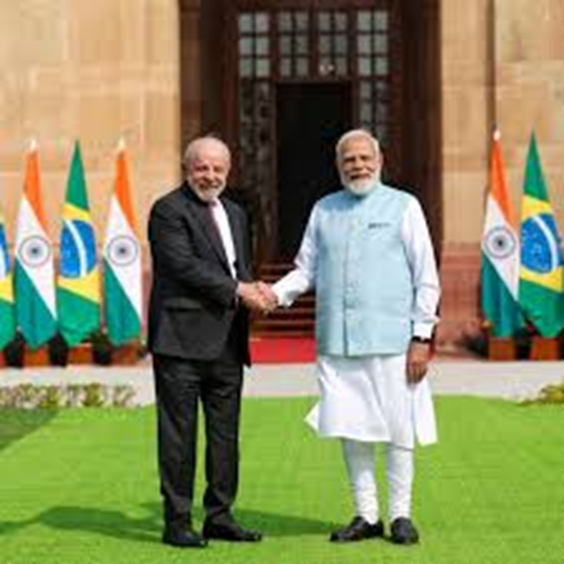
- Lula and PM Narendra Modi agreed to:
- Double bilateral trade to $30 billion by 2030 (from ~$15–16 billion in 2025).
- Fast-track India-Brazil CEPA negotiations (target conclusion 2027).
- Strengthen coordination in G20, BRICS, UNSC reform, and WTO.
- Lula publicly supported India’s push for UNSC permanent seat; both countries condemned unilateral tariffs and protectionism.
- Context: US threats of 10–60% tariffs on imports (including from India & Brazil) → opportunity for South-South cooperation to reduce dependence on US/EU markets.
- PM Narendra Modi & President Lula da Silva during bilateral meeting in New Delhi (February 2026) — focus on trade, energy & multilateralism
Background: India-Brazil Strategic Partnership
- Established 2006; elevated to Strategic Partnership in 2019.
- Key pillars:
- Trade & Economy: Bilateral trade ~$15–16 bn (2025); India exports petroleum products, pharmaceuticals, machinery; Brazil exports crude oil, sugar, soy, beef.
- Energy & Biofuels: Ethanol blending cooperation; green hydrogen/ammonia collaboration (both NGHM partners).
- Defence & Space: Joint projects (e.g., Embraer aircraft, ISRO-CSA satellite launches).
- Multilateral: Co-founders of BRICS (2009), IBSA (2003), G20, BASIC climate group; aligned on UNSC reform, WTO agriculture subsidies, climate finance.
- Recent momentum:
- Lula’s 2023 G20 presidency (Rio Summit) → India handed over G20 baton.
- 2025 BRICS expansion → both support inclusive multilateralism.
Current Challenges & Opportunities (2026 Context)
- US Tariff Threats: Trump administration’s “America First” policies → 10–60% tariffs on steel, aluminium, agri products → hits Brazil (soy, beef) & India (textiles, pharma, steel).
- Reciprocal Tariffs: India & Brazil face pressure to retaliate or negotiate bilaterally with US.
- Global South Coordination: Lula & Modi see opportunity to:
- Diversify markets (Africa, ASEAN, Latin America).
- Push WTO reforms (agriculture subsidies, e-commerce moratorium).
- Strengthen BRICS New Development Bank (NDB) lending.
- CEPA Push: Comprehensive Economic Partnership Agreement negotiations accelerated; aim to cover goods, services, investment, IP, digital trade.
- Energy Synergy: Brazil’s ethanol expertise + India’s green hydrogen/ammonia push → joint projects in biofuels, green ammonia exports.
Significance of “Sticking Together”
- Trade Diversification: Reduces vulnerability to US/EU protectionism.
- Geopolitical Leverage: Two largest democracies in Global South → stronger voice in UN, WTO, climate talks.
- South-South Solidarity: Counter unilateralism; promote multipolar order.
- Economic Gains: CEPA could boost agri exports (India: rice, spices; Brazil: pulses, oilseeds), pharma generics, tech transfer.
- Strategic Alignment: Shared interests in UNSC reform, climate finance, fossil fuel transition.
Challenges Highlighted
- Asymmetric Trade: Brazil enjoys surplus; India seeks balanced gains.
- Non-Tariff Barriers: Brazil’s strict sanitary/phytosanitary norms for Indian agri/pharma.
- Domestic Politics: Lula’s left-leaning policies vs. India’s market-oriented reforms → negotiation friction.
- US Pressure: Both face bilateral talks with Washington → risk of divide-and-rule.
|
For UPSC CSE & State PSC |
|
Prelims
GS-2 (International Relations)
GS-3 (Economy)
GS-2 (Governance)
Essay / Interview
|
Rethinking Tribal Women's Inheritance Rights in India: Supreme Court Verdict & Constitutional Debate
Why in News?
- In a landmark judgment delivered on 8 October 2025 (reported & analysed extensively in February 2026), a Supreme Court bench comprising Justices Sanjay Karol and Justice K.V. Viswanathan held that the Hindu Succession Act, 1956 (as amended in 2005) does not apply to members of Scheduled Tribes unless Parliament expressly extends it.
- The ruling arose in Ram Charan v. State of Jharkhand (Civil Appeal No. … of 2025), where the Court upheld customary tribal law that denied daughters equal inheritance rights in ancestral property.
- The verdict has reignited debate on:
- Tension between customary tribal law and gender equality (Art. 14, 15, 21).
- Scope of “Hindu” under the Hindu Succession Act and exclusion of Scheduled Tribes under Section 2(2).
- Need for a separate law or parliamentary extension to secure tribal women’s inheritance rights.
- The article in The Hindu (23 February 2026) by Shailaja Saboo (Junior Fellow, Centre for Contemporary Studies) titled “Rethinking tribal women’s inheritance rights” called the judgment a missed opportunity to advance gender justice within tribal communities.
Key Legal Provisions & Judicial Observations
- Hindu Succession Act, 1956 – Section 2(2): “This Act shall not apply to members of any Scheduled Tribe unless the Central Government by notice otherwise directs.”
- 2005 Amendment: Granted daughters equal coparcenary rights (Section 6) in Hindu Undivided Family (HUF) property — but subject to Section 2(2) exclusion for STs.
- Court’s Reasoning (Oct 2025):
- The term “Hindu” in the Act is broad but excludes Scheduled Tribes unless notified.
- Customary tribal laws (often patrilineal) prevail unless Parliament intervenes.
- Overriding tribal customs with statutory law would violate Article 371A (Nagaland), 371G (Mizoram), Sixth Schedule autonomy, and cultural rights under Article 29.
- “Hindusation” or conversion cannot automatically bring tribals under the Act.
- Key Quote: “The Act cannot be applied to Scheduled Tribes in the absence of a notification… Customary law continues to govern inheritance among indigenous populations.”
Broader Context: Customary vs. Statutory Law in Tribal Communities
- Most tribal societies (especially in Jharkhand, Chhattisgarh, Odisha, Northeast) follow patrilineal succession:
- Property passes to sons; daughters often excluded or given limited rights (e.g., maintenance, stridhan).
- Exceptions exist (e.g., Khasi, Garo matrilineal systems in Meghalaya).
- Customary law protected under:
- Article 371A, 371G, Sixth Schedule.
- Constitutional recognition of tribal identity & autonomy.
- Gender discrimination widely documented:
- Tribal women face economic disempowerment, landlessness, domestic violence.
- Contrast with Hindu Succession Act 2005 amendment (Vineeta Sharma v. Rakesh Sharma, 2020 — daughters’ equal rights retrospective).
Supreme Court’s Opportunity & Missed Chance
- The Court could have:
- Interpreted Section 2(2) narrowly or struck it down as violative of Art. 14/15.
- Directed Parliament to notify extension of the Act to STs (as suggested in the judgment itself).
- Recognised evolving customs or constitutional morality overriding discriminatory traditions.
- Instead, it deferred to legislative domain → left tribal women without statutory parity.
Way Forward Suggested in Discourse
- Parliamentary action: Extend Hindu Succession Act (or enact separate Tribal Women’s Inheritance Act) with safeguards for cultural autonomy.
- State-level reforms: Codify progressive customary laws (e.g., Jharkhand, Chhattisgarh models).
- Judicial creativity: Future benches could apply constitutional morality test (Navtej Johar, Joseph Shine) to strike down discriminatory customs.
- Community-led change: Awareness, women’s collectives, economic empowerment.
|
For UPSC CSE & State PSC |
|
Prelims
GS-2 (Polity & Governance)
GS-1 (Society)
GS-2 (Social Justice)
Essay / Interview
|
On the Independence of the Election Commission of India (ECI): Ongoing Concerns & Judicial Scrutiny
Why in News?
- An article in The Hindu titled “On the independence of the Election Commission” (published 24 February 2026, by C.B.P. Srivastava, President, Centre for Applied Research in Governance) described the ECI as the bedrock of Indian democracy but highlighted growing concerns over its impartiality, autonomy, and fairness in recent electoral processes.
- Key triggers:
- Special Intensive Revision (SIR) of electoral rolls in states like Bihar, West Bengal, Assam, Tamil Nadu → massive deletions (e.g., ~65 lakh names in Bihar, ~74 lakh in Tamil Nadu), citizenship verification demands, algorithmic errors alleged.
- Supreme Court hearings (January–February 2026) on SIR challenges → CJI Surya Kant-led bench directed ECI to publish disaggregated data, expand acceptable documents, appoint judicial officers for adjudication in West Bengal (rare intervention).
- Opposition resolution (INDIA bloc) to remove CEC Gyanesh Kumar amid allegations of bias.
- Broader erosion: Post-Anoop Baranwal (2023) judgment → Chief Election Commissioner and Other Election Commissioners Act, 2023 (excluded CJI from appointment committee) remains under challenge (hearing pending, no stay).
- Recent SC refusals: Declined PILs on Assam SIR (19 Feb 2026), other procedural matters.
- Context: Ahead of 2026 Assembly elections (West Bengal, Assam, Tamil Nadu, Kerala), trust deficit in ECI intensified by voter deletions, non-disclosure of data, CCTV footage destruction policy (45 days), and perceived executive influence.
Protesters holding placards demanding fair voter verification during SIR exercise (Representational image from opposition rallies)
Constitutional Framework & Landmark Developments
- Article 324: ECI superintendence, direction & control of elections; independence implied as part of basic structure (free & fair elections).
- Anoop Baranwal v. Union of India (March 2023):
- 5-judge Constitution Bench (Justice K.M. Joseph) ruled executive-only appointments unconstitutional → interim committee: PM + LoP + CJI until Parliament legislates.
- 2023 Act: Replaced CJI with Union Cabinet Minister (nominated by PM) → government majority → challenged (Jaya Thakur & others) → no stay; hearing pending (2026).
- Recent SC Stance (2025–26):
- No blanket stay on 2023 Act or SIR.
- Directed transparency (disaggregated deletion data, searchable format).
- Extraordinary order (Feb 2026): Calcutta HC to appoint judicial officers for West Bengal SIR adjudication → address “trust deficit”.
- Refused to halt SIR in Assam (final rolls already prepared).
Key Issues Highlighted in 2026 Discourse
- SIR Controversies:
- Massive deletions without individual reasons → algorithmic flaws alleged.
- Documents demanded (Aadhaar, passport, etc.) → SC expanded list, criticised initial narrowness.
- ECI claimed citizenship verification mandate → petitioners called it “NRC-like” without statutory backing.
- Appointment Independence:
- 2023 Act criticised as nullifying Anoop Baranwal spirit → executive dominance.
- Pending SC challenge → prolonged delay weakens watchdog role.
- Transparency & Accountability:
- Refusal to share Form 17C data, CCTV destruction (45 days) → fuels fraud allegations.
- Voter fraud claims (e.g., Rahul Gandhi on 2024 Lok Sabha) → ECI responses questioned.
- Institutional Erosion:
- Perceived bias in model code enforcement, expenditure monitoring.
- Opposition calls for CEC removal → rare but symbolic.
Significance & Broader Implications
- Democracy Pillar: ECI independence essential for free & fair elections (basic structure doctrine).
- Judicial Role: SC balancing non-interference in administrative processes vs. protecting constitutional morality.
- Electoral Integrity: Voter deletions risk disenfranchisement ahead of 2026 polls.
- Global Perception: India’s electoral democracy under scrutiny amid rising majoritarianism concerns.
|
For UPSC CSE & State PSC |
|
Prelims
GS-2 (Polity & Governance)
GS-2 (Constitution & Rights)
Essay / Interview
|
India’s Russian Oil Imports Under Pressure: US-India Interim Trade Deal & Tariff Dynamics
Why in News?
- On 23 February 2026, The Hindu published an analysis titled “What happens to India’s Russian oil imports, $500 bn on U.S. imports?” amid uncertainties following the US Supreme Court ruling (late February 2026) striking down President Trump’s use of IEEPA (International Emergency Economic Powers Act) for unilateral tariffs.
Key developments:
-
- US-India Interim Trade Framework (announced 2 February 2026): US reduced tariffs on Indian goods from 50% (including 25% penalty for Russian oil) to 18%; removed additional 25% Russia-linked duty (effective 7 February 2026 via Executive Order).
- India committed to halt direct/indirect Russian oil imports (quid pro quo per White House); intend to purchase $500 billion of US goods (energy, tech, aircraft, coal) over 5 years; lower tariffs on US industrial/agri products.
- SCOTUS ruling invalidated Trump’s tariff authority → India deferred planned Washington visit (23–25 Feb) to finalise details → talks paused; Trump threatened 15% global tariffs under new law.
- Russia’s share in India’s crude imports fell sharply: ~35–40% peak (2024–25) → 21.2% in January 2026 (lowest since Oct 2022); volumes ~1.1 mbpd (Jan) → projected 1.0–1.2 mbpd (Feb) → 0.8–1.0 mbpd (March).
Chart: Decline in Russian crude share in India’s imports (2022–2026) — from <5% pre-Ukraine war to peak ~40%, now ~21% (Representational trend)
Background: India’s Russian Oil Surge & US Pressure
- Post-2022 Ukraine invasion: India became top buyer of discounted Russian crude (Urals/ESPO grades) → savings of $5–10/bbl vs. Brent.
- 2024–25 average: ~1.7–2.0 mbpd (35–40% share).
- Discount: $10–20/bbl below Brent → helped control inflation, current account deficit.
- Trump 2.0 (2025 onward):
- August 2025: Imposed 25% reciprocal + 25% Russia penalty = 50% on Indian exports (steel, textiles, pharma hit hardest).
- Goal: Curb Russia’s war revenue; force India to diversify.
- Result: India diversified → Middle East (Saudi, UAE, Iraq) regained lead (~55% in Jan 2026); US crude imports up.
Key Elements of US-India Interim Framework (Feb 2026)
- Tariff Relief:
- US: 50% → 18% on Indian goods; removed 25% Russia penalty (EO Feb 6, effective Feb 7).
- India: Eliminate/reduce tariffs on US industrial goods, agri products (DDGs, sorghum, nuts, fruits, soybean oil, wine).
- Commitments:
- India: Stop Russian oil imports; buy $500 bn US goods over 5 years (energy, tech GPUs, aircraft, coking coal).
- Monitoring: US Commerce to track; snapback possible if resumed.
- Uncertainties:
- SCOTUS struck IEEPA tariff basis → legal footing weakened.
- India: No official “halt” directive; state refiners (IOC, BPCL) continue; private (Reliance) stopped.
- Russia: Kremlin denies formal communication; volumes declining but not zero.
Impact on India’s Russian Oil Imports
- Volume Decline:
- Jan 2026: ~1.1 mbpd (21.2% share).
- Feb–Mar projection: 1.0–1.2 mbpd → 0.8–1.0 mbpd.
- Cost rise: +$2–3/bbl on overall basket (Kpler) due to loss of discounts.
- Refinery Challenges:
- Russian heavy sour crude suits Indian complex refineries (high sulphur processing).
- Switch to lighter/sweeter alternatives (US WTI, Middle East) → higher costs, reconfiguration needed.
- Energy Security:
- Diversification positive (reduces Russia dependency).
- But higher import bill → pressure on forex, inflation.
Broader Implications
- Strategic Autonomy: India balances US pressure with Russia ties (defence, fertilisers, nuclear).
- Trade Leverage: Interim deal eases export pain but $500 bn target unrealistic (~$50 bn current US imports).
- Global Energy: Russia loses revenue; OPEC+ gains; US energy exports rise.
- Domestic Politics: Opposition accuses Modi of “appeasement”; BJP highlights tariff relief.
|
For UPSC CSE & State PSC |
|
Prelims
GS-2 (IR)
GS-3 (Economy & Energy)
Essay / Interview
|
US Supreme Court Strikes Down Trump Tariffs: Implications for Global Trade, Treasuries & India
Why in News?
- On 23 February 2026, the US Supreme Court (in a 6–3 decision) struck down President Donald Trump’s use of the International Emergency Economic Powers Act (IEEPA) to unilaterally impose 25–60% tariffs on imports from multiple countries (including India, China, EU, Canada, Mexico).
- The ruling invalidated tariffs announced in August 2025 and partially implemented from October 2025 onward → immediate market relief but new uncertainty.
- Key headlines (24 Feb 2026):
- The Hindu: “American trade tariff turmoil leaves Treasury markets in dazed condition”
- Bloomberg, Reuters: Dollar slides, 10-year Treasury yields fall ~14 basis points intraday → Treasuries rally as safe-haven demand spikes.
- White House response: Trump signals intent to seek new legislative authority or use alternative statutes → “tariff war not over”.
- Immediate Indian context: India’s planned delegation visit to Washington (23–25 Feb) to finalise interim trade deal details postponed → talks frozen.
US 10-year Treasury yield movement (Feb 23–24, 2026) — sharp dip after SCOTUS ruling (Representational trend)
Background: Trump 2.0 Tariff Blitz (2025–2026)
- August 2025: Trump invoked IEEPA (1977 law meant for national emergencies) to declare “trade imbalance emergency” → imposed:
- 25% base reciprocal tariff on most trading partners.
- Additional 25% penalty on countries buying Russian oil (targeting India, China).
- Total: Up to 50–60% on steel, aluminium, textiles, pharma, electronics from India.
- India hit hardest among allies: Exports worth ~$80–90 bn faced 50% duties → textiles, steel, pharma margins crushed.
- Interim relief (Feb 2026): US–India framework reduced duties to 18% + removed Russia penalty in exchange for India halting Russian oil imports & committing to $500 bn US purchases over 5 years.
- SCOTUS challenge: Consolidated petitions (states, importers, foreign governments) argued IEEPA misuse → no “unusual & extraordinary threat” justification.
Key Elements of the Supreme Court Ruling (23 Feb 2026)
- Majority (6–3): IEEPA cannot be used for broad, permanent trade policy changes → limited to genuine emergencies (sanctions, asset freezes).
- Tariffs declared ultra vires → immediate revocation ordered (phased over 60–90 days to avoid chaos).
- Dissent (conservative justices): Broad executive trade powers needed in national interest.
- No stay on implementation → tariffs to unwind gradually.
Immediate Market & Economic Impact
- US Treasury Market:
- 10-year yield fell ~14 bps intraday (to ~4.12–4.18%).
- Flight to safety: Investors bought Treasuries amid tariff uncertainty.
- Dollar weakened vs. major currencies (EUR, JPY, INR).
- Global Markets:
- Asian equities rallied (Nikkei +1.8%, Hang Seng +2.1%).
- Indian rupee strengthened marginally (~₹83.40–83.60/USD).
- Inflation & Fed Outlook:
- Tariff unwind → lower imported goods prices → reduces near-term inflation pressure.
- Fed likely to pause or slow rate cuts → bond yields may stabilise higher.
Implications for India
- Positive:
- Immediate relief to exporters (textiles, steel, pharma, electronics) → 50% duties removed.
- Rupee appreciation support → lower import bill (oil, electronics).
- Strengthens negotiating position in paused US talks.
- Uncertainties:
- Trump may push Congress for new tariff legislation (possible “America First Trade Act”).
- Russia oil imports: India’s commitment under interim deal now in limbo → volumes may rebound (currently ~21%).
- $500 bn US purchase target: Unrealistic → needs renegotiation.
- Strategic:
- Reinforces India’s hedging strategy (US vs. Russia/BRICS).
- Opportunity to diversify exports further (EU, ASEAN, Africa).
|
For UPSC CSE & State PSC |
|
Prelims
GS-2 (International Relations)
GS-3 (Economy)
Essay / Interview
|
