26th February Editorials & Articles
UPSC 360°
The Hindu Unwrapped – Daily Current Affairs Mastery for UPSC CSE (Clear that it’s based on The Hindu editorials / news analyses – very aspirant-friendly)
|
Significance |
|
The Iran-US-Israel tensions, amplified by the 2025 Twelve-Day War and 2026 U.S. military buildup, test India's strategic autonomy. Modi's Israel visit signals deeper defense-tech ties and alignment against radicalism via IMEC, while U.S. sanctions stall Chabahar-Iran links, risking energy security and connectivity. This balancing act defines India's rise amid great-power rivalries. |
CLICK HERE to download the PDF
Iran, the U.S., India and Israel: A Geopolitical Tightrope in West Asia
The geopolitical tightrope in West Asia involving Iran, the United States, Israel, and India has reached a critical juncture as of February 26, 2026. The region teeters between fragile diplomacy and the brink of renewed military escalation, following the Twelve-Day War in June 2025 and subsequent developments. Below is a more granular, up-to-the-minute breakdown based on the latest events, military postures, diplomatic maneuvers, and implications—particularly for India's multi-alignment strategy.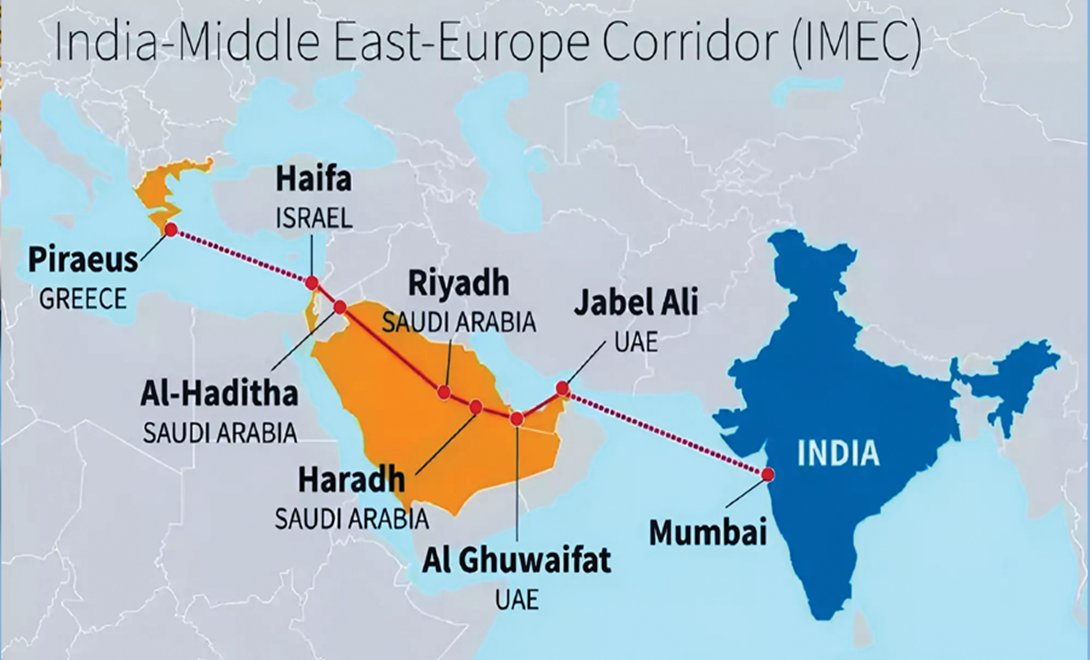
The 2025 Twelve-Day War: Recap and Lasting Damage
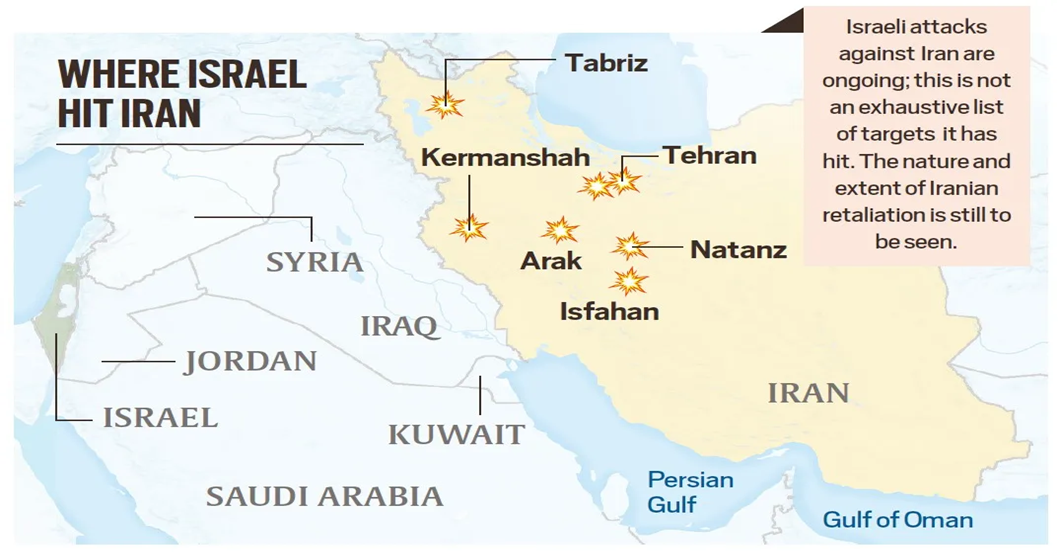
- Trigger and Timeline: Israel initiated pre-emptive strikes on June 13, 2025, targeting Iranian nuclear sites (Natanz, Fordow, Isfahan), missile facilities, IRGC commanders, and scientists after an IAEA noncompliance declaration. Iran retaliated with missile/drone barrages.
- U.S. Direct Intervention: On June 21–22, under Operation Midnight Hammer, U.S. B-2 bombers and submarines struck the same three core nuclear sites using bunker-busters (GBU-57 MOPs) and cruise missiles. President Trump claimed the program was "obliterated," but IAEA and U.S. intelligence assessments indicate severe setbacks (centrifuges destroyed, infrastructure heavily damaged) yet only a months-to-1-year delay in reconstitution—some enriched uranium stockpiles were likely dispersed pre-strike.
- Iran's Response: Limited missile strike on U.S. Al Udeid base in Qatar (June 23; minimal damage, no fatalities). Ceasefire announced same day by Trump; it has held with sporadic violations.
- Broader Fallout: Iran's proxy network ("Axis of Resistance") crippled—Hezbollah degraded, Hamas leadership decimated, Assad regime collapsed in Syria (leading to ISIS prison breaks and regional instability). This shifted Iran toward defensive rebuilding and pragmatic diplomacy.
Current Crisis: Military Buildup vs. Diplomacy (February 2026)
The U.S. has executed one of its largest Middle East deployments since 2003:
- Assets: USS Abraham Lincoln and USS Gerald R. Ford carrier strike groups (with escorts), massive air wings (fighters, bombers), additional warships. This includes the "largest fleet of warplanes" in decades, positioned for rapid strikes.
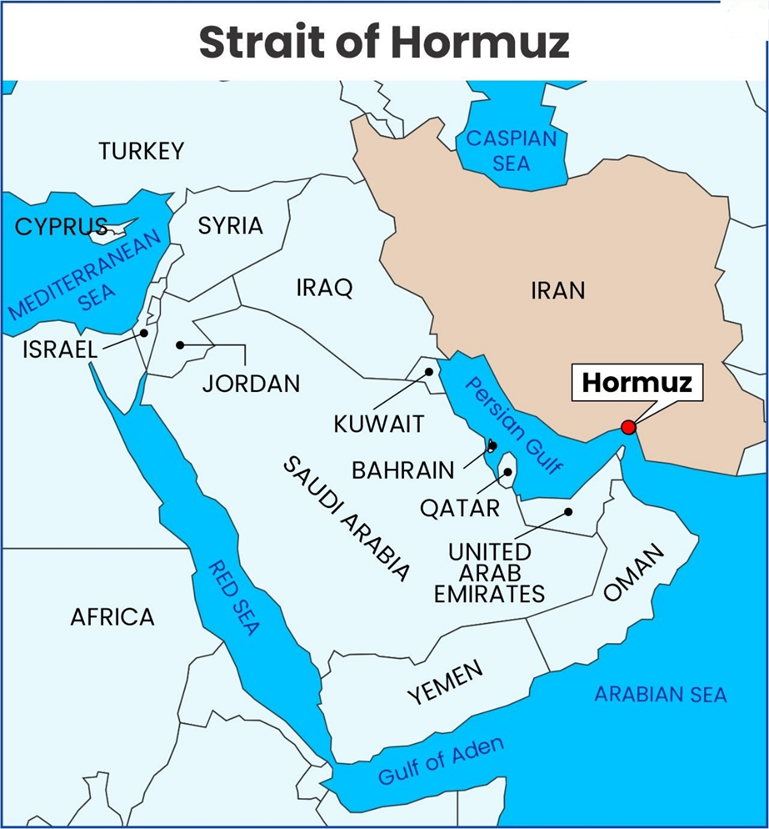
- Incidents: February 3 drone shoot-down near Lincoln; Iranian fast boats harassing U.S.-flagged vessels in Strait of Hormuz (briefly closed by Iran on Feb 17, per some reports).
- Trump's Posture: Insists on zero enrichment on Iranian soil as baseline (though open to studying "token" or minimal levels if verifiable and no bomb path). Public warnings via Truth Social; reports of considering limited strikes (or even regime targets like Khamenei) to force concessions. 48-hour deadline floated for new Iranian proposals (Feb 23 reports). Military advisers (e.g., Gen. Dan Caine, Joint Chiefs Chair) have raised concerns about risks of prolonged conflict (Iran's rebuilt missile stocks, anti-ship threats to Gulf oil infrastructure).
Iran's Rebuilding and Stance:
- Arms deals accelerated post-2025: ~500 Verba MANPADS + missiles from Russia (Dec 2025); near-deal for CM-302 anti-ship cruise missiles, MANPADS, anti-ballistic, and anti-satellite systems from China (negotiations intensified).
- Nuclear: Reconstitution underway; new doctrines emphasize deterrence. FM Abbas Araghchi warns of "devastating war" with "no victory for anybody."
- Domestic: Economic strain, protests persist but regime stable.
Nuclear Talks Status (Third Round, Geneva – Ongoing as of Feb 26):
- Indirect format, mediated by Oman (FM Badr Al-Busaidi shuttling proposals; meetings at Omani residence).
- Participants: U.S. side includes Special Envoy Steve Witkoff, Jared Kushner; Iran led by FM Araghchi + nuclear/legal experts.
- Progress: Talks began morning Feb 26 (IST afternoon). Oman notes "unprecedented openness to new and creative ideas." Iran submitted a new proposal pre-talks (some flexibility signaled, e.g., minimal enrichment under IAEA supervision for sanctions relief). U.S. seeks verifiable halt/prevention of weaponization; interim deal discussed (nuclear curbs first, missiles/proxies later).
- Outlook: Fragile—gaps on enrichment rights, missiles, proxies. Gunboat diplomacy dominates; failure could trigger strikes. Iranian advisor hints "agreement within reach" if focused narrowly.
Israel's Position
- Views Iran as existential threat; pushed U.S. involvement in 2025.
- Preparations for potential independent/joint action ongoing.
- No full détente post-2025; ongoing concerns over Iran's missile rebuild.
India's Balancing Act: Acute Challenges
India navigates deepening U.S./Israel ties against Iran relations amid U.S. pressure.
- India-Israel Ties (Modi Visit, Feb 25–26, 2026): Historic second visit (first since 2017). Day 1 (Feb 25): Addressed Knesset (standing ovation); condemned Oct 7, 2023 Hamas attacks; stated "India stands with Israel firmly... in this moment and beyond"; emphasized "no cause justifies killing civilians." Praised Gaza peace efforts. Day 2 (Feb 26): Met President Herzog (discussed education, startups, tech, connectivity); visited Yad Vashem. Netanyahu welcomed; ties deepened in defense (drones, AI), agriculture, counter-terrorism. Visit coincided with U.S.-Iran brinkmanship, signaling alignment.
- India-Iran Relations: "Historic" per Araghchi (recent calls with Jaishankar). India urges de-escalation, supports Iran at UNHRC on rights issues. But U.S. sanctions curb engagement.
- Chabahar Port Status: 10-year ops deal (2024) intact; India seeks waiver extensions (current expires April 26, 2026). However, 2026-27 Union Budget allocated zero funds (first omission; previously ~₹100 crore/year). Araghchi called it "disappointing for both" (views as "golden gateway" to Central Asia/Europe via INSTC). Seen as tactical pause amid U.S. threats/sanctions (not full retreat); remaining $120M commitment fulfilled pre-waiver expiry.
- Broader Stance: Principled neutrality—condemns terrorism, calls for dialogue. Distances from anti-Israel positions in forums. Protects energy (Strait of Hormuz ~20% global oil); advances IMEC (Israel-Arab-Europe corridor) as alternative.
Strategic Implications
- High Risk of Escalation: Military buildup + stalled talks = powder keg. Strait disruptions could spike oil prices (India vulnerable).
- For India (UPSC Lens): Tests strategic autonomy—gains from U.S./Israel (defense/tech) vs. risks to Iran ties (energy/connectivity). Chabahar freeze highlights sanctions leverage; Modi visit reinforces multi-alignment tilt Westward amid crisis.
- Global: Proxy degradation reduces Iran's leverage; Russia/China aid bolsters defenses. Diplomacy (Geneva) as last off-ramp before potential strikes.
Situation fluid—Geneva talks ongoing; watch for breakthroughs or breakdowns in coming hours/days. India prioritizes de-escalation while safeguarding interests pragmatically.
Prelims – MCQs
Q1. With reference to India’s West Asia policy in 2025–26, which of the following statements is/are correct?
- India has consistently supported revival of the JCPOA nuclear deal.
- India continues to operate Chabahar Port under a 10-year contract with Iran.
- India has joined the US-led coalition imposing secondary sanctions on Iran.
(a) 1 and 2 only
(b) 2 only
(c) 1 and 3 only
(d) 1, 2 and 3
Correct Ans: (a)
Q2. The International North-South Transport Corridor (INSTC) aims to reduce transit time and cost between India and which region?
(a) Europe via Suez
(b) Central Asia & Russia via Iran
(c) Middle East via IMEC
(d) East Africa via Djibouti
Correct Ans: (b)
Q3. Which of the following best describes India’s voting pattern on UN resolutions concerning Israeli settlements in the West Bank (2014–2025)?
(a) Consistently voted in favour of Israel
(b) Consistently voted against Israel
(c) Mostly abstained or voted in favour of Palestine
(d) Voted with the US on every occasion
Correct Ans: (c)
Mains Questions
Q1. “India’s multi-alignment in West Asia is both its greatest strength and its most delicate vulnerability.” In light of escalating US–Iran–Israel tensions in 2026, critically examine New Delhi’s strategic balancing act. (15 marks)
Q2. Discuss the implications of potential military conflict between the US/Israel and Iran on India’s energy security, INSTC connectivity and foreign-policy autonomy. (15 marks)
Q3. “The Indian Ocean is no longer a zone of peace — it is the new centre of gravity of great-power competition.” Examine with reference to Chabahar, IMEC, Diego Garcia and the Chagos sovereignty dispute. (10 marks)
Essay / Interview
- “In West Asia, India does not choose camps; it chooses outcomes — affordable energy, secure sea lanes, and maximum strategic autonomy.”
- “The Strait of Hormuz is India’s windpipe; any blockade is an economic strangulation attempt — diplomacy is therefore not an option, it is a necessity.”
- “Strategic autonomy is not fence-sitting; it is refusing to let anyone else draw the fence for you.”
