
6th April Current Affairs
↵
Mudumalai Tiger Reserve: Nilgiris Collector Inspects Remote Polling Station Ahead of Tamil Nadu Assembly Elections
1. Why in News?
- On 5 April 2026, Nilgiris District Collector and District Election Officer Lakshmi Bhavya Tanneeru, accompanied by Nilgiris Superintendent of Police N.S. Nisha and forest officials from Mudumalai and Sathyamangalam Tiger Reserves, visited the remote tribal village of Thengumarahada located inside the core area of Mudumalai Tiger Reserve (MTR).
- The team crossed the Bhavani River (a tributary of the Moyar) by coracle to reach the village. The visit was undertaken to inspect polling arrangements and ensure basic amenities — electricity, drinking water, toilets, and ramps for differently-abled voters — at the polling stations in Thengumarahada and the Government Tribal Residential School at Kallampalayam.
- The Collector encouraged voters in this extremely remote forested area (falling under the Coonoor Assembly constituency) to participate actively in the upcoming Tamil Nadu Assembly Elections 2026, ensuring no citizen is left out of the democratic process despite challenging terrain and wildlife presence.
2. About Mudumalai Tiger Reserve
- Location & Strategic Position Mudumalai Tiger Reserve is situated in the Nilgiris District of Tamil Nadu. It lies at the tri-junction of three southern states — Tamil Nadu, Karnataka, and Kerala.
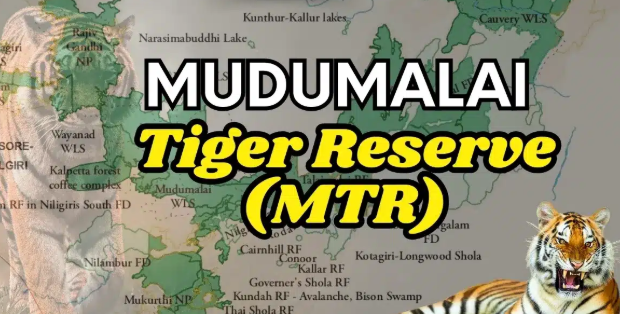
It forms an important part of the Nilgiris Biosphere Reserve (India’s first biosphere reserve, notified in 1986).
It shares boundaries with:
-
- Wayanad Wildlife Sanctuary (Kerala) to the west.
- Bandipur Tiger Reserve (Karnataka) to the north.
- Sathyamangalam Tiger Reserve (Tamil Nadu) to the east.
- Terrain The terrain is undulating with elevations ranging from 960 m to 1,266 m above sea level. The area is part of the Western Ghats and features hilly slopes, valleys, and riverine tracts.
- River System The Moyar River (and its tributary Bhavani) flows through the reserve, forming a natural boundary and supporting the ecosystem.
- Vegetation & Habitats Mudumalai showcases exceptional habitat diversity:
- Tropical evergreen forests
- Moist deciduous forests
- Moist and dry teak forests
- Secondary grasslands
- Swamps and wetlands
- Prominent flora includes tall “Elephant Grass”, giant bamboo, and valuable timber species such as Teak and Rosewood. It is also home to wild relatives of cultivated plants like wild rice, ginger, turmeric, and cinnamon.
- Fauna Mudumalai is rich in mega-herbivores and predators:
- Herbivores: Asian Elephant, Gaur (Indian Bison), Sambar, Four-horned Antelope, Spotted Deer (Chital), Barking Deer, Blackbuck, Wild Pig, Mouse Deer.
- Predators: Tiger (apex predator), Leopard, Wild Dog (Dhole).
- Other notable species: Sloth Bear, varieties of birds, reptiles, and butterflies.
- The reserve supports one of the highest densities of Asian Elephants in southern India and is a critical corridor for wildlife movement across the tri-state region.
3. Significance of the Recent Visit
- Electoral Inclusion: Demonstrates efforts to ensure inclusive democracy by reaching remote forest villages inhabited by tribal communities (often Irula or Kurumba tribes).
- Challenges Highlighted: Access requires crossing rivers by coracle; the area is sensitive due to wildlife movement, making logistics complex.
- Conservation-Election Balance: The visit underscores how protected areas must balance conservation priorities with citizens’ fundamental rights (voting).
- Broader Context: With Tamil Nadu Assembly elections approaching, similar outreach is being carried out in other remote pockets of tiger reserves and wildlife sanctuaries.
UPSC CSE & State PCS Relevance
Prelims
- Key terms: Mudumalai Tiger Reserve, Nilgiris Biosphere Reserve, Tri-junction of TN-KA-KL, Moyar River, Elephant Grass, Core Area, Thengumarahada village.
- Facts: Located in Nilgiris District, Tamil Nadu; Part of Nilgiris Biosphere (first in India); Borders Wayanad & Bandipur; Fauna includes Tiger, Elephant, Gaur; Recent event: Collector visit on 5 April 2026 for election preparedness.
GS-1 (Geography & Society)
- Physical geography of Western Ghats; Biosphere reserves; Tribal communities in protected areas; Human-wildlife interface.
GS-3 (Environment & Ecology, Internal Security/Polity)
- Tiger conservation and Project Tiger; Biodiversity hotspots; Challenges of governance in protected areas; Electoral administration in remote/forest regions.
GS-2 (Governance)
- Inclusive governance and grassroots democracy; Coordination between civil administration and forest department.
Essay / Interview
- “Balancing Conservation and Development: The Dilemma of Protected Areas in Democratic India.”
- “Ensuring Electoral Inclusion in Remote and Ecologically Sensitive Regions.”
- “The Nilgiris as a Model of Transboundary Biodiversity Conservation in India.”
MCQs
- Consider the following statements about Mudumalai Tiger Reserve:
- It is located in the Nilgiris District of Tamil Nadu and forms part of the Nilgiris Biosphere Reserve.
- It shares boundaries with Wayanad Wildlife Sanctuary and Bandipur Tiger Reserve.
- The Moyar River flows through the reserve. Which of the statements given above is/are correct?
(a) 1 only
(b) 1 and 2 only
(c) 2 and 3 only
(d) 1, 2 and 3
Answer: (d)
- Thengumarahada village, recently visited by the Nilgiris Collector, is located in:
(a) Core area of Mudumalai Tiger Reserve
(b) Buffer zone of Bandipur Tiger Reserve
(c) Wayanad Wildlife Sanctuary
(d) Sathyamangalam Tiger Reserve
Answer: (a) - Which of the following is NOT found in Mudumalai Tiger Reserve?
(a) Asian Elephant
(b) Four-horned Antelope
(c) One-horned Rhinoceros
(d) Gaur
Answer: (c) - The Nilgiris Biosphere Reserve, of which Mudumalai is a part, is:
(a) The first biosphere reserve in India
(b) The largest biosphere reserve in India
(c) Located entirely in Kerala
(d) Notified in 2000
Answer: (a) - The recent visit by the Nilgiris Collector to Thengumarahada was primarily to:
(a) Conduct a tiger census
(b) Inspect polling arrangements for Assembly elections
(c) Declare a new eco-tourism zone
(d) Address human-wildlife conflict
Answer: (b)
Mains Questions
- “Protected areas like Mudumalai Tiger Reserve present unique challenges for governance and democratic inclusion.” Discuss with reference to the recent visit by the Nilgiris Collector to Thengumarahada village. (15 marks / 250 words)
- Examine the ecological significance of Mudumalai Tiger Reserve in the context of the Nilgiris Biosphere Reserve and transboundary conservation efforts among Tamil Nadu, Karnataka, and Kerala. (10 marks / 150 words)
- “Conservation and development must go hand in hand in ecologically sensitive regions.” Analyse the difficulties of delivering basic services and electoral rights in core areas of tiger reserves, using Mudumalai as an example. (15 marks / 250 words)
- Essay (250 marks) “Wildlife Conservation versus Human Rights: Striking a Balance in India’s Biodiversity Hotspots.”
Three New Rove Beetle Species Discovered in Arunachal Pradesh
1. Why in News?
- Researchers have discovered three previously unknown species of rove beetles in the forests of Arunachal Pradesh, adding to the state’s rich but largely unexplored insect biodiversity.
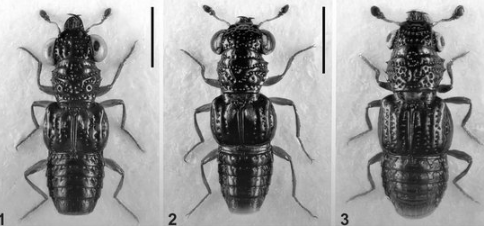
- The discovery was published online on 1 April 2026 in the international journal Soil Organisms. The collaborative study was conducted by scientists from Rajiv Gandhi University, Doimukh (Arunachal Pradesh) and the University of Tübingen, Germany.
- The three new species belong to the genus Megalopinus (family Staphylinidae):
- Megalopinus arunachalensis
- Megalopinus mithun (named after the state animal of Arunachal Pradesh – the Mithun)
- Megalopinus micros
- Along with these, two previously known species of the same genus were also documented from the region, taking the total number of Megalopinus species recorded from Arunachal Pradesh to five.
- The beetles were collected from tropical evergreen forests, particularly in decaying wood and moist leaf litter. Deputy Chief Minister Chowna Mein welcomed the discovery, highlighting Arunachal Pradesh’s hidden natural wealth and the importance of preserving its pristine forests.
2. About Rove Beetles (Family Staphylinidae)
- General Description Rove beetles constitute one of the largest families of beetles (Coleoptera) in the animal kingdom, with over 60,000 described species worldwide.
Physical Features
-
- Typically elongate and fast-moving.
- Characterised by shortened forewings (elytra) that expose most of the flexible abdominal segments.
- Many species can raise their abdomen in a scorpion-like defensive posture (though they do not sting).
- Some large species are brightly coloured (black and yellow) to mimic wasps; others mimic soldier ants in appearance and behaviour (myrmecophily).
Habitat & Distribution
-
- Found in almost all moist environments across the world.
- Preferred climate: sub-tropical and cold-tolerant.
- Typical microhabitats: leaf litter, soil surface, under bark, fungi, shorelines, dung, carrion, compost, and nests of social insects.
- Commonly found around decaying animal and vegetable matter.
Ecological Role
-
- Predatory in nature — they prey on other insects, including carrion-feeding insects.
- Act as natural predators and decomposers, playing a vital role in nutrient cycling and maintaining ecological balance.
- Beneficial to farmers and gardeners as biological control agents that help reduce pest populations.
Other Features
-
- Chemical defences from abdominal glands (secretions act as irritants or antimicrobial compounds to deter predators).
- Lifespan: Adults live from ~2 weeks to ~12 months; full life cycle usually 1–24 months depending on species and climate.
3. Significance of the Discovery
- Biodiversity Hotspot: Arunachal Pradesh, part of the Eastern Himalayas (a global biodiversity hotspot), continues to reveal new species, underscoring the need for continued scientific exploration.
- Taxonomic Contribution: Adds to the knowledge of the genus Megalopinus in India and highlights the understudied insect diversity of Northeast India.
- Conservation Message: Such discoveries emphasise the urgency of protecting fragile forest ecosystems from habitat loss, deforestation, and climate change.
- Scientific Collaboration: Exemplifies successful India-Germany research partnership in taxonomy and ecology.
UPSC CSE & State PCS Relevance
Prelims
- Key terms: Rove beetles (Staphylinidae), Megalopinus genus, Eastern Himalayas biodiversity hotspot, Soil Organisms journal, Biological control agents.
- Facts: Three new species discovered — Megalopinus arunachalensis, M. mithun, M. micros; Published 1 April 2026; Collaborative study by Rajiv Gandhi University & University of Tübingen; Found in decaying wood and moist leaf litter.
GS-3 (Environment & Ecology, Biodiversity)
- Conservation of biodiversity hotspots; Insect taxonomy and its role in ecosystem services; Northeast India as a centre of endemism; Impact of habitat degradation on lesser-known species.
GS-1 (Geography)
- Physical and biological diversity of the Eastern Himalayas and Arunachal Pradesh.
Essay / Interview
- “Hidden Treasures of Biodiversity: The Importance of Documenting Lesser-Known Species in India’s Hotspots.”
- “Scientific Exploration and Conservation: Balancing Development with Ecological Knowledge in Northeast India.”
- “From Taxonomy to Ecosystem Services: The Ecological Significance of Insects like Rove Beetles.”
MCQs
- Consider the following statements about the recent discovery in Arunachal Pradesh:
- Three new species of rove beetles belonging to the genus Megalopinus were discovered.
- The study was published in the journal Soil Organisms on 1 April 2026.
- The beetles were primarily collected from coral reefs and marine habitats. Which of the statements given above is/are correct?
Which of the statements given above is/are correct?
(a) 1 and 2 only
(b) 2 and 3 only
(c) 1 only
(d) 1, 2 and 3
Answer: (a) 1 and 2 only
- 2. Rove beetles belong to which family?
(a) Scarabaeidae
(b) Staphylinidae
(c) Coccinellidae
(d) Carabidae
Answer: (b) Staphylinidae - Which of the following is a characteristic feature of rove beetles?
(a) Long elytra covering the entire abdomen
(b) Shortened elytra exposing flexible abdominal segments
(c) Ability to produce light (bioluminescence)
(d) Herbivorous feeding habit exclusively
Answer: (b) Shortened elytra exposing flexible abdominal segments - Rove beetles are ecologically important because they act as:
- Predators of pest insects
- Decomposers
- Pollinators Select the correct answer using the code given below:
Select the correct answer using the code given below:
(a) 1 and 2 only
(b) 2 and 3 only
(c) 1 only
(d) 1, 2 and 3
Answer: (a) 1 and 2 only
- The new species Megalopinus mithun is named after:
(a) The state bird of Arunachal Pradesh
(b) The state animal (Mithun) of Arunachal Pradesh
(c) A famous Indian scientist
(d) The river where it was found
Answer: (b) The state animal (Mithun) of Arunachal Pradesh
Mains Questions
- “Discoveries of new insect species like the recent rove beetles in Arunachal Pradesh underscore the urgency of conserving India’s biodiversity hotspots.” Discuss the ecological significance of insects and the challenges in documenting them. (15 marks / 250 words)
- Examine the role of collaborative scientific research in enhancing our understanding of Northeast India’s biodiversity. What steps should be taken to protect fragile ecosystems amid developmental pressures? (10 marks / 150 words)
- “Insects, though small, play a disproportionately large role in maintaining ecosystem balance.” Analyse this statement with reference to predatory and decomposer insects such as rove beetles. (15 marks / 250 words)
- Essay (250 marks) “Unexplored Biodiversity of the Eastern Himalayas: From Hidden Species to Global Ecological Imperatives.”
Indian Softshell Turtle Rescued in Greater Noida: 16 Specimens Saved from Illegal Trade
1. Why in News?
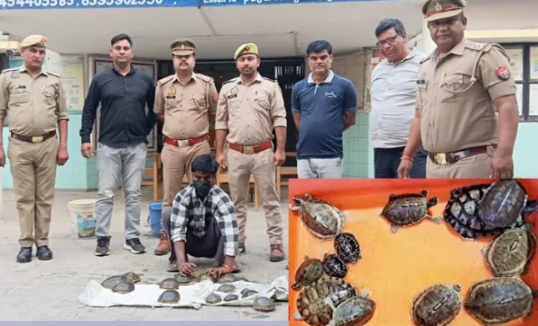
- On 5 April 2026, Uttar Pradesh Police rescued 16 Indian Softshell Turtles (Nilssonia gangetica) during a routine vehicle check in Greater Noida.
- The turtles were being illegally transported in a vehicle. The driver was arrested, and the rescued specimens were handed over to the forest department for rehabilitation and eventual release into suitable natural habitats.
- This incident highlights the continuing menace of wildlife trafficking targeting protected species for the pet trade, traditional medicine, and meat markets. Indian Softshell Turtles are frequently poached from river systems in northern India and smuggled to urban centres or neighbouring countries.
2. About Indian Softshell Turtle
- Scientific Name: Nilssonia gangetica
- Common Names: Indian Softshell Turtle, Ganges Softshell Turtle
Physical Features
-
- One of the largest freshwater turtle species in the world.
- Carapace (upper shell): Round to oval-shaped, olive-green to brownish with a distinct yellow border.
- Long neck and tube-like snout (proboscis) that allows the turtle to breathe while remaining submerged.
- Highly compressed shell makes them excellent and fast swimmers.
- Soft, leathery shell (hence the name “softshell”) instead of hard bony plates.
Habitat
-
- Deep rivers, streams, canals, lakes, and ponds with sandy or muddy bottoms.
- Prefer turbid (murky) water where they can hide under sand or mud.
- Spend most of the time buried in the substrate, emerging to breathe or hunt.
Geographical Distribution
-
- Native to South Asia: India, Bangladesh, Pakistan, and Afghanistan.
- Primarily found in the Indus, Ganges, Brahmaputra, Meghna, Yamuna, Narmada, and Mahanadi river basins.
- Diet Omnivorous: Feeds on fish, amphibians, molluscs, insects, carrion, and aquatic plants. They play an important role as scavengers and help maintain aquatic ecosystem balance.
- Breeding Breeding season: February to April. Females lay eggs in sandy riverbanks.
- Cultural Significance Often kept in temple ponds (especially in Odisha) where they are considered sacred and protected by local communities.
3. Threats
- Habitat alteration and destruction due to dams, pollution, sand mining, and urbanisation.
- Poaching and illegal trade for meat, traditional medicine (believed to have medicinal properties), and the exotic pet trade.
- Expansion of agriculture and commercial exploitation.
- Incidental capture in fishing nets.
4. Conservation Status
- IUCN Red List: Endangered
- Wildlife (Protection) Act, 1972: Schedule I (highest level of protection; hunting and trade strictly prohibited)
- Included in CITES Appendix I (international trade banned)
5. Significance of the Rescue
- Demonstrates effective coordination between police and forest departments in combating wildlife crime.
- Highlights the vulnerability of riverine species to urban-centric illegal trade networks.
- Reinforces the need for stricter enforcement along transport routes and awareness about protected species.
UPSC CSE & State PCS Relevance
Prelims
- Key terms: Indian Softshell Turtle (Nilssonia gangetica), Ganges Softshell Turtle, Schedule I species, IUCN Endangered, Tube-like snout, Temple ponds of Odisha.
- Facts: Rescued 16 turtles in Greater Noida on 5 April 2026; Found in Ganges, Yamuna, Brahmaputra basins; Omnivorous scavenger; Breeding Feb–April.
GS-3 (Environment & Ecology)
- Biodiversity conservation, wildlife trafficking, protection of endangered species, role of community in conservation (temple ponds), human-wildlife interface in river ecosystems.
GS-1 (Geography)
- Riverine ecosystems of Northern and Eastern India.
Essay / Interview
- “Wildlife Trafficking: A Silent Threat to India’s Endangered Species.”
- “Community Faith and Conservation: The Role of Temple Ponds in Protecting the Indian Softshell Turtle.”
- “Balancing Development and Conservation in India’s Riverine Biodiversity Hotspots.”
MCQs
- Consider the following statements about the Indian Softshell Turtle:
- It is also known as the Ganges Softshell Turtle.
- It is listed under Schedule I of the Wildlife Protection Act, 1972.
- It is primarily herbivorous and feeds only on aquatic plants. Which of the statements given above is/are correct?
(a) 1 and 2 only
(b) 2 and 3 only
(c) 1 only
(d) 1, 2 and 3
Answer: (a)
- The Indian Softshell Turtle was recently rescued in:
(a) Varanasi
(b) Greater Noida
(c) Bhopal
(d) Guwahati
Answer: (b) - Which of the following features helps the Indian Softshell Turtle breathe while remaining mostly submerged?
(a) Hard bony shell
(b) Tube-like snout
(c) Webbed feet only
(d) Bright yellow carapace Answer: (b) - The breeding season of the Indian Softshell Turtle is:
(a) June to August
(b) February to April
(c) October to December
(d) November to January
Answer: (b) - In which state are Indian Softshell Turtles often protected in temple ponds and considered sacred?
(a) Rajasthan
(b) Odisha
(c) Punjab
(d) Kerala
Answer: (b)
Mains Questions
- “Illegal wildlife trade continues to threaten endangered species like the Indian Softshell Turtle despite stringent legal provisions.” Discuss the ecological importance and major threats to the species, along with measures needed for its conservation. (15 marks / 250 words)
- Examine the role of community-based conservation practices, such as protection in temple ponds, in the preservation of species like the Indian Softshell Turtle. (10 marks / 150 words)
- “Riverine ecosystems in India are facing multiple pressures from development and illegal activities.” Analyse this statement in the context of the recent rescue of Indian Softshell Turtles in Greater Noida. (15 marks / 250 words)
- Essay (250 marks) “From Sacred to Endangered: The Struggle for Survival of India’s Riverine Wildlife.”
BIRAC-Bio NEST Incubation Centre Inaugurated at CSIR-CFTRI, Mysuru
Why in News?
- On 4 April 2026, Union Minister of State (Independent Charge) for Science and Technology, Dr. Jitendra Singh, inaugurated the BIRAC-BioNEST Incubation Centre at the CSIR-Central Food Technological Research Institute (CFTRI) in Mysuru, Karnataka.
- The state-of-the-art facility aims to nurture food-tech and biotechnology startups, particularly in areas such as food bioprocessing, nutraceuticals, precision fermentation, probiotics, postbiotics, botanicals, and CRISPR technology. It will support up to 26 startups (including physical, hybrid, and graduated ventures) with dedicated incubation suites, shared high-end infrastructure, and industry-academia linkages.
- The inauguration coincides with CFTRI completing 75 years of excellence and marks a key step under the Bio-RIDE scheme to translate laboratory research into commercially viable solutions, boosting Atmanirbhar Bharat in the food and biotech sector.
2. About BioNEST Scheme
- Full Form: Bioincubators Nurturing Entrepreneurship for Scaling Technologies (BioNEST).

- Launched by: Biotechnology Industry Research Assistance Council (BIRAC), an interface agency of the Department of Biotechnology (DBT), Ministry of Science & Technology.
- Vision: To foster a robust biotech innovation ecosystem in India by creating world-class bio-incubation facilities that bridge the gap between research and entrepreneurship.
Key Services Provided by BioNEST Incubators:
-
- Access to high-end infrastructure and specialised equipment.
- Business mentorship, technical guidance, and networking opportunities.
- Support for Intellectual Property (IP) management, legal and regulatory guidance, certifications, validation, and resource mobilisation.
- Facilitation of industry-academia collaboration for knowledge exchange.
Main Objectives:
-
- Promote and establish bio-incubators across India.
- Support and encourage startups and entrepreneurs in the biotechnology sector.
- Strengthen linkages between industry and academia.
- Provide enabling services for technology scaling, commercialisation, and entrepreneurship development.
- Funding Mechanism: BIRAC provides funding (grant-in-aid for capital and operational expenses) in alignment with the government’s umbrella scheme ‘Biotechnology Research Innovation and Entrepreneurship Development (Bio-RIDE)’. Support is given for establishing new incubators, strengthening existing ones, and integrating non-BIRAC incubators into the BioNEST network.
3. Significance of the New Centre at CFTRI Mysuru
- Focus on Food Biotechnology: The centre specialises in food bioprocessing and technology, addressing challenges in nutrition, sustainable food production, and value addition to agricultural produce.
- Startup Ecosystem Boost: It will provide physical incubation space, shared labs, and mentorship to early-stage startups, helping them move from proof-of-concept to market-ready products.
- Strategic Location: Mysuru-based CFTRI is a premier CSIR institute with expertise in food science and technology, making it an ideal hub for food-tech innovation.
- Broader Impact: Supports Bio-RIDE objectives of promoting bio-entrepreneurship, job creation, and self-reliance in critical sectors like health, agriculture, and food security.
- Alignment with National Goals: Reinforces Make in India, Startup India, and Atmanirbhar Bharat by enabling indigenous innovation in biotechnology.
UPSC CSE & State PCS Relevance
Prelims
- Key terms: BioNEST, BIRAC, Bio-RIDE scheme, CSIR-CFTRI Mysuru, Food bioprocessing, Biotech incubation.
- Facts: Inaugurated on 4 April 2026 by Dr. Jitendra Singh; Supports startups in precision fermentation, probiotics, CRISPR; Part of DBT-BIRAC initiatives.
GS-3 (Science & Technology, Economy)
- Biotechnology and innovation ecosystem; Role of incubators in startup development; Government schemes for research translation and entrepreneurship; Food technology and nutritional security.
GS-2 (Governance)
- Institutional mechanisms for industry-academia collaboration; Public sector research institutions (CSIR) and their contribution to national development.
Essay / Interview
- “Bridging the Lab-to-Market Gap: The Role of Incubation Centres in India’s Biotech Revolution.”
- “Bio-Entrepreneurship as a Pillar of Atmanirbhar Bharat: Opportunities and Challenges.”
- “Innovation Ecosystems in Public Research Institutions: Lessons from CFTRI’s BioNEST Centre.”
MCQs
- Consider the following statements about the BioNEST scheme:
- It is implemented by the Biotechnology Industry Research Assistance Council (BIRAC).
- It provides incubation support exclusively for startups in the pharmaceutical sector.
- Funding for BioNEST centres is aligned with the Bio-RIDE scheme. Which of the statements given above is/are correct?
(a) 1 and 2 only
(b) 1 and 3 only
(c) 2 and 3 only
(d) 1, 2 and 3
Answer: (b)
- The BIRAC-BioNEST Incubation Centre was recently inaugurated at:
(a) IIT Delhi
(b) CSIR-CFTRI, Mysuru
(c) National Centre for Biological Sciences, Bengaluru
(d) AIIMS, New Delhi
Answer: (b) - Which Union Minister inaugurated the BioNEST centre at CFTRI in April 2026?
(a) Dr. Mansukh Mandaviya
(b) Dr. Jitendra Singh
(c) Shri Piyush Goyal
(d) Shri Nitin Gadkari
Answer: (b) - BioNEST incubators primarily aim to:
(a) Provide direct subsidies to farmers
(b) Support biotech startups with infrastructure, mentorship, and regulatory guidance
(c) Regulate biotechnology imports
(d) Conduct space research
Answer: (b) - The Bio-RIDE scheme is related to:
(a) Renewable energy development
(b) Biotechnology Research Innovation and Entrepreneurship Development
(c) Rural infrastructure
(d) Defence innovation
Answer: (b)
Mains Questions
- “Incubation centres like the newly inaugurated BIRAC-BioNEST at CFTRI play a crucial role in translating scientific research into entrepreneurial success.” Discuss the objectives and significance of the BioNEST scheme in strengthening India’s biotechnology ecosystem. (15 marks / 250 words)
- Examine how schemes such as BioNEST and Bio-RIDE contribute to the goals of Atmanirbhar Bharat and Startup India in the field of food and biotechnology. (10 marks / 150 words)
- “Bridging the gap between academia and industry is essential for innovation-led growth.” Analyse this statement in the context of public research institutions like CSIR-CFTRI and the role of BioNEST incubators. (15 marks / 250 words)
- Essay (250 marks) “Fostering Innovation Ecosystems: The Journey from Laboratory Research to Market-Driven Solutions in Indian Biotechnology.”
India Dispatches Humanitarian Assistance to Flood and Earthquake-Hit Afghanistan
1. Why in News?
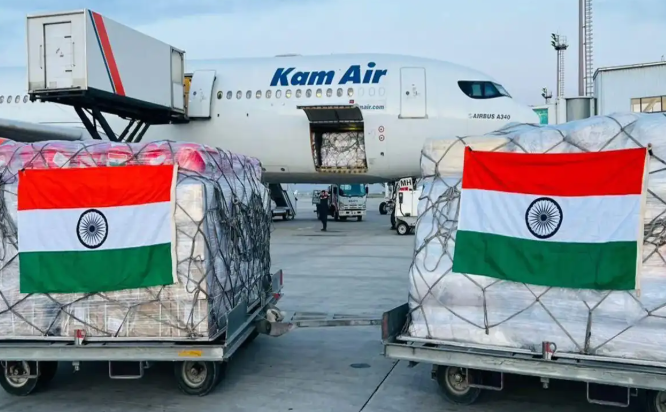
- On 5 April 2026, the Ministry of External Affairs (MEA) announced that India had dispatched a fresh consignment of Humanitarian Assistance and Disaster Relief (HADR) materials to Afghanistan.
- The aid was sent to support populations affected by recent floods and earthquakes that caused significant loss of life, injuries, and widespread damage. MEA Spokesperson Randhir Jaiswal stated on X (formerly Twitter) that the consignment included kitchen sets, hygiene kits, plastic sheets, tarpaulins, sleeping bags, and other essential relief items.
- India reiterated its commitment to stand with the Afghan people during this challenging time, reflecting its consistent policy of providing humanitarian support to Afghanistan irrespective of the political regime. The aid delivery underscores India’s role as a responsible regional actor in disaster response.
2. About Afghanistan
- Location & Strategic Position Afghanistan is a landlocked mountainous country located in Southern/Central Asia. It serves as a historic crossroads between South Asia, Central Asia, and the Middle East.
- Bordering Countries
- Pakistan: East and South (longest border, including disputed areas).
- Iran: West.
- Turkmenistan, Uzbekistan, and Tajikistan: North.
- China: Northeast (short border via the Wakhan Corridor).
- India: Northeast (via the Wakhan Corridor, though the border is not directly contiguous in the conventional sense; India maintains strong historical and developmental ties).
- Capital City Kabul.
- Geographical Features
- Climate: Semi-arid steppe climate with hot summers and extremely cold winters.
- Mountain Ranges: Dominated by the Hindu Kush (main range running across the country), Pamir Mountains in the northeast, and Safed Koh range in the south.
- Highest Point: Mt. Nowshak (also spelled Noshaq) at 7,485–7,492 m in the Hindu Kush range.
- Major Rivers: Amu Darya (north), Helmand River (southwest), Kabul River (east).
- Natural Resources: Rich in coal, copper, natural gas, petroleum, gold, lithium, uranium, rare earth elements, and other minerals. The country’s untapped mineral wealth is significant but remains largely underdeveloped due to instability.
3. Significance of India’s Humanitarian Assistance
- Humanitarian Diplomacy: India continues to provide aid directly to the Afghan people, focusing on immediate relief needs amid recurring natural disasters.
- Disaster Vulnerability: Afghanistan is highly prone to earthquakes (located in a seismically active zone) and seasonal floods, exacerbated by climate change, deforestation, and poor infrastructure.
- Broader Context: This assistance aligns with India’s long-standing engagement in Afghanistan through development projects (e.g., infrastructure, education, healthcare) even after the 2021 Taliban takeover. It reflects India’s “humanity-first” approach in foreign policy.
- Regional Geopolitics: Highlights India’s soft power and constructive role in South and Central Asia despite strained relations with the current Afghan regime and challenges posed by Pakistan and other actors.
UPSC CSE & State PCS Relevance
Prelims
- Key terms: HADR (Humanitarian Assistance and Disaster Relief), Afghanistan (landlocked), Hindu Kush, Wakhan Corridor, Mt. Nowshak, Amu Darya, Helmand River.
- Facts: Aid dispatched on 5 April 2026; Relief items include kitchen sets, hygiene kits, tarpaulins, sleeping bags; Borders with Pakistan, Iran, Central Asian states, and China; Highest peak Mt. Nowshak (~7,485 m).
GS-2 (International Relations)
- India’s neighbourhood policy; Humanitarian diplomacy; India-Afghanistan relations post-2021; Role of HADR in foreign policy; Regional stability in South and Central Asia.
GS-1 (Geography)
- Physical geography of Afghanistan; Mountain ranges, river systems, and resource distribution in landlocked countries.
GS-3 (Disaster Management)
- Vulnerability of Afghanistan to earthquakes and floods; India’s disaster response capabilities abroad.
Essay / Interview
- “Humanitarian Assistance as an Instrument of India’s Soft Power and Neighbourhood Policy.”
- “Geography and Geopolitics: Why Afghanistan Remains a Challenging yet Strategic Neighbour for India.”
- “Disaster Diplomacy in a Turbulent Region: India’s Response to Crises in Afghanistan.”
MCQs
- Consider the following statements regarding India’s recent assistance to Afghanistan:
- India dispatched HADR materials including kitchen sets, hygiene kits, and tarpaulins on 5 April 2026.
- The aid was sent in response to recent floods and earthquakes in Afghanistan.
- Afghanistan shares a border with China through the Wakhan Corridor. Which of the statements given above is/are correct?
(a) 1 only
(b) 1 and 2 only
(c) 2 and 3 only
(d) 1, 2 and 3
Answer: (d)
- The highest peak in Afghanistan is:
(a) Mt. Everest
(b) Mt. Nowshak
(c) K2
(d) Mt. Kailash
Answer: (b) - Which of the following is NOT a bordering country of Afghanistan?
(a) Pakistan
(b) Iran
(c) Myanmar
(d) Tajikistan
Answer: (c) - The major mountain range dominating Afghanistan’s geography is:
(a) Himalayas
(b) Hindu Kush
(c) Karakoram
(d) Alps
Answer: (b) - Which river is one of the major drainage systems in southern and southwestern Afghanistan?
(a) Ganges
(b) Helmand
(c) Indus
(d) Brahmaputra
Answer: (b)
Mains Questions
- “Humanitarian assistance remains a key pillar of India’s engagement with Afghanistan despite political challenges.” Discuss India’s approach to HADR in the region and its strategic significance. (15 marks / 250 words)
- Examine the geographical factors that make Afghanistan highly vulnerable to natural disasters such as earthquakes and floods. How can regional cooperation help in disaster management? (10 marks / 150 words)
- “Geography shapes geopolitics.” Analyse this statement with reference to Afghanistan’s location, resources, and its implications for India’s foreign policy. (15 marks / 250 words)
- Essay (250 marks) “Afghanistan: At the Crossroads of Geography, History, and Great Power Interests – Challenges and Opportunities for India.”
Obstructive Sleep Apnea (OSA): 71% Higher Risk of Cardiovascular Events and All-Cause Mortality
1. Why in News?
- A new study presented at the European Congress on Obesity (ECO 2026) (to be held in Istanbul, Turkey, 12–15 May 2026) has revealed that individuals living with obstructive sleep apnea (OSA) face a 71% higher risk of cardiovascular events (CVEs) or all-cause mortality compared to those without OSA.
- The collaborative research, involving Imperial College Health Partners, Imperial College Healthcare NHS Trust (London), and Eli Lilly and Company, analysed real-world data from over 117,000 adults. Among 20,300 people diagnosed with OSA (matched with 97,412 controls), the combined risk of CVEs or death was significantly elevated. Notably, over 57% of OSA patients also had obesity, highlighting the strong link between the two conditions.
- The findings underscore OSA as a major modifiable risk factor for heart disease, stroke, and premature death, calling for greater awareness, screening, and early intervention.
2. About Obstructive Sleep Apnea (OSA)
- Definition OSA is the most common sleep-related breathing disorder. It is characterised by recurrent episodes of partial or complete upper airway obstruction during sleep, leading to repeated pauses in breathing (apneas or hypopneas). These interruptions cause fragmented sleep, oxygen desaturation, and increased cardiovascular strain.

- Mechanism During sleep, the muscles in the back of the throat relax excessively, causing the airway to collapse or become blocked. This results in breathing pauses lasting 10 seconds or longer, often ending with a loud snort or gasp as the person briefly wakes to reopen the airway.
Types of Sleep Apnea
-
- Obstructive Sleep Apnea (OSA) — most common (throat muscles relax and block airway).
- Central Sleep Apnea (brain fails to send proper signals).
- Complex (mixed) Sleep Apnea.
- Who is at Risk? Anyone can develop OSA, but it is most common in middle-aged and older adults. Risk factors include obesity, large neck circumference, male gender, family history, smoking, alcohol use, and anatomical issues (e.g., enlarged tonsils, deviated septum).
- Prevalence and Impact OSA affects millions worldwide and is often underdiagnosed. It leads to reduced sleep quality, daytime fatigue, impaired cognitive function, and significantly elevated risks for hypertension, heart disease, stroke, diabetes, depression, and accidents (due to excessive daytime sleepiness).
3. Symptoms of Obstructive Sleep Apnea
- Loud, chronic snoring.
- Observed pauses in breathing during sleep (often noticed by bed partner).
- Gasping or choking sensations that awaken the person.
- Excessive daytime sleepiness or fatigue.
- Morning headaches, dry mouth, or sore throat.
- Difficulty concentrating, irritability, or mood changes.
- Decreased libido or erectile dysfunction.
4. Diagnosis and Treatment
- Diagnosis: Polysomnography (overnight sleep study) or home sleep apnea testing to measure Apnea-Hypopnea Index (AHI).
- Treatment Options:
- Lifestyle changes: Weight loss, avoiding alcohol/sedatives, changing sleep position (side sleeping instead of back), regular exercise.
- Continuous Positive Airway Pressure (CPAP) machine — gold standard; delivers constant air pressure to keep airway open.
- Oral appliances (mouthpieces) that reposition the jaw.
- Surgical options (e.g., uvulopalatopharyngoplasty, hypoglossal nerve stimulation) in select cases.
- Positional therapy or mandibular advancement devices.
Early treatment significantly reduces cardiovascular risks and improves quality of life.
5. Significance of the Recent Study
- Quantifies the 71% increased risk of CVEs (heart attack, stroke, heart failure) or death, independent of other factors.
- Emphasises the bidirectional link between OSA and obesity.
- Highlights the need for integrated screening in primary care, especially for obese patients.
- Supports public health efforts to address undiagnosed OSA as a preventable driver of non-communicable diseases (NCDs).
UPSC CSE & State PCS Relevance
Prelims
- Key terms: Obstructive Sleep Apnea (OSA), Apnea-Hypopnea Index (AHI), CPAP machine, Cardiovascular events (CVEs), All-cause mortality.
- Facts: 71% higher risk of CVEs or death (2026 ECO study); Most common sleep-related breathing disorder; Upper airway obstruction during sleep.
GS-2 (Health & Governance)
- Non-communicable diseases (NCDs); Public health challenges; Screening and awareness programmes.
GS-3 (Science & Technology, Environment)
- Lifestyle diseases linked to modern living; Impact of sleep disorders on productivity and economy; Obesity epidemic.
Essay / Interview
- “Sleep Health: The Overlooked Pillar of Preventive Healthcare in India.”
- “Non-Communicable Diseases and Lifestyle Factors: Addressing the Silent Epidemic of Obstructive Sleep Apnea.”
- “Integrating Sleep Medicine into India’s Universal Health Coverage Framework.”
MCQs
- Consider the following statements about Obstructive Sleep Apnea (OSA):
- It is characterised by recurrent upper airway obstruction during sleep.
- People with OSA have a 71% higher risk of cardiovascular events or all-cause mortality, according to a 2026 study.
- OSA occurs only in elderly individuals. Which of the statements given above is/are correct?
(a) 1 and 2 only
(b) 2 and 3 only
(c) 1 only
(d) 1, 2 and 3
Answer: (a)
- Which of the following is the gold-standard treatment for moderate to severe OSA?
(a) Oral appliances
(b) Continuous Positive Airway Pressure (CPAP) machine
(c) Weight loss alone
(d) Surgery in all cases
Answer: (b) - The recent study linking OSA to higher cardiovascular risk is to be presented at:
(a) World Health Assembly
(b) European Congress on Obesity (ECO 2026)
(c) Indian Science Congress
(d) G20 Health Ministers’ Meeting
Answer: (b) - Which of the following is NOT a common symptom of OSA?
(a) Loud snoring
(b) Gasping or choking during sleep
(c) Excessive daytime sleepiness
(d) Increased appetite during daytime
Answer: (d) - Obstructive Sleep Apnea is primarily caused by:
(a) Failure of the brain to signal breathing muscles
(b) Relaxation and collapse of throat muscles blocking the airway
(c) Excess carbon dioxide in blood
(d) Overproduction of melatonin
Answer: (b)
Mains Questions
- “Obstructive Sleep Apnea represents a silent but significant contributor to the rising burden of cardiovascular diseases in India.” Discuss the mechanisms, risk factors, and public health implications of OSA, with reference to the recent 2026 study. (15 marks / 250 words)
- Examine the linkages between lifestyle factors such as obesity and sleep disorders like OSA. Suggest measures to integrate sleep health into India’s non-communicable disease prevention strategy. (10 marks / 150 words)
- “Preventive healthcare must expand beyond traditional risk factors to include sleep medicine.” Analyse this statement in the context of the 71% increased cardiovascular risk associated with untreated OSA. (15 marks / 250 words)
- Essay (250 marks) “Sleep: The Foundation of Health – Addressing the Growing Challenge of Sleep Disorders in Modern India.”
Bangladesh Launches Emergency Measles-Rubella Vaccination Campaign Amid Deadly Outbreak
1. Why in News?
- On 5 April 2026, the Government of Bangladesh, with support from UNICEF, WHO, and Gavi, the Vaccine Alliance, launched an emergency measles-rubella vaccination campaign targeting more than 1.2 million children (aged 6 months to 5 years) in 30 high-risk upazilas across 18 districts.
- The campaign will expand to four City Corporations from 12 April 2026 and go nationwide from 3 May 2026. This urgent response comes after a fast-spreading measles outbreak since mid-March 2026, which has caused over 7,500 suspected cases and claimed the lives of more than 100 children (reports vary between 98–100+ deaths) in less than a month.
- Health authorities have identified low routine immunisation coverage in certain areas as a major factor behind the surge. The outbreak serves as a wake-up call for maintaining high vaccination coverage to prevent vaccine-preventable diseases.
2. About Measles
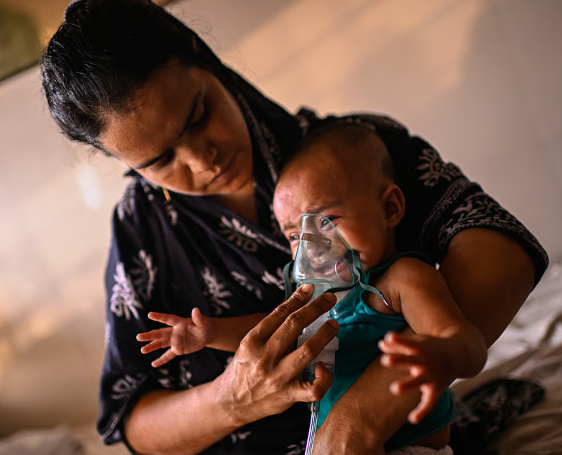
- Cause Measles is a highly contagious, serious airborne viral disease caused by a virus belonging to the paramyxovirus family (genus Morbillivirus).
- Transmission
- Spreads through respiratory droplets via coughing, sneezing, or talking.
- Can also spread by breathing the air contaminated by an infected person or touching infected surfaces.
- The virus remains active and contagious in the air or on surfaces for up to 2 hours.
- Extremely infectious: One infected person can spread the virus to 12–18 others in a susceptible population.
- Pathophysiology The virus first infects the respiratory tract, then spreads throughout the body via the bloodstream, causing widespread inflammation and immune suppression, which increases the risk of secondary infections.
- Symptoms (Incubation period: 10–14 days)
- Prodromal phase (initial stage): High fever (lasting 4–7 days), runny nose (coryza), cough, red and watery eyes (conjunctivitis), and Koplik’s spots (small white spots inside the cheeks).
- Rash phase: Maculopapular rash starting on the face and upper neck, then spreading downward to the trunk and limbs (appears 3–5 days after fever onset).
- Other symptoms: Malaise, loss of appetite.
- Complications Severe complications include pneumonia, encephalitis, diarrhoea, ear infections, blindness, and death — especially in malnourished children, infants, and pregnant women. Measles can also cause long-term immune amnesia, increasing susceptibility to other infections.
- Who is at Risk?
- Unvaccinated or incompletely vaccinated children.
- Young children, pregnant women, and immunocompromised individuals face the highest risk of severe disease and death.
3. Treatment and Prevention
- Treatment: No specific antiviral drug exists. Management is supportive — treating symptoms, preventing dehydration, and addressing complications with antibiotics for secondary bacterial infections. Vitamin A supplementation is recommended in severe cases.
- Prevention: Highly effective and safe measles-rubella (MR) vaccine (usually given as part of MMR or MR schedule).
- Provides long-term immunity.
- Two doses are recommended for full protection.
- Routine immunisation + supplementary campaigns are key to achieving herd immunity (≥95% coverage).
4. Significance of the Bangladesh Outbreak and Response
- Highlights the dangers of vaccine hesitancy, disruption in routine immunisation (possibly due to past COVID-19 effects or logistical issues), and gaps in coverage.
- Demonstrates the importance of rapid response vaccination campaigns in containing outbreaks.
- Serves as a reminder for all countries, including India, to maintain high MR vaccine coverage under the Universal Immunisation Programme (UIP) and conduct timely catch-up drives.
- Global context: Measles remains a leading cause of vaccine-preventable child deaths worldwide, despite the availability of a cheap and effective vaccine.
UPSC CSE & State PCS Relevance
Prelims
- Key terms: Measles (paramyxovirus), Koplik’s spots, Measles-Rubella (MR) vaccine, Airborne transmission, Herd immunity.
- Facts: Emergency campaign launched 5 April 2026 in Bangladesh; Targets >1.2 million children (6 months–5 years); >7,500 cases and >100 child deaths since mid-March 2026.
GS-2 (Health & Governance, IR)
- Public health emergencies; Vaccine-preventable diseases; Role of international organisations (WHO, UNICEF, Gavi); India’s neighbourhood health cooperation.
GS-3 (Science & Technology, Disaster Management)
- Epidemiology and outbreak control; Universal Immunisation Programme; Non-communicable vs communicable disease burden.
Essay / Interview
- “Vaccine Hesitancy and the Resurgence of Vaccine-Preventable Diseases: Lessons from the 2026 Bangladesh Measles Outbreak.”
- “Universal Immunisation: The Cornerstone of Child Health and Sustainable Development.”
- “Global Health Security: Why Measles Elimination Remains Elusive Despite Available Tools.”
MCQs
- Consider the following statements about Measles:
- It is caused by a virus belonging to the paramyxovirus family.
- The virus can remain contagious in the air for up to two hours.
- Koplik’s spots are a characteristic early sign appearing inside the cheeks. Which of the statements given above is/are correct?
Which of the statements given above is/are correct?
(a) 1 only
(b) 1 and 2 only
(c) 1, 2 and 3
(d) 2 and 3 only
Answer: (c) 1, 2 and 3
- The emergency measles-rubella vaccination campaign in Bangladesh was launched on:
(a) 1 April 2026
(b) 5 April 2026
(c) 12 April 2026
(d) 3 May 2026
Answer: (b) 5 April 2026 - Which of the following is NOT a typical symptom of measles?
(a) High fever
(b) Koplik’s spots
(c) Maculopapular rash starting from the face
(d) Severe joint pain and rash on palms/soles
Answer: (d) Severe joint pain and rash on palms/soles - Measles is primarily transmitted through:
(a) Contaminated food and water
(b) Airborne respiratory droplets
(c) Vector-borne (mosquito) transmission
(d) Direct skin contact only
Answer: (b) Airborne respiratory droplets - The measles vaccine is usually administered as part of:
(a) BCG vaccine
(b) Measles-Rubella (MR) or MMR vaccine
(c) Polio vaccine
(d) Hepatitis B vaccine
Answer: (b) Measles-Rubella (MR) or MMR vaccine
Mains Questions
- “The resurgence of measles in Bangladesh highlights the fragility of immunisation programmes even when safe vaccines are available.” Discuss the epidemiological factors behind measles outbreaks and the strategies needed for elimination. (15 marks / 250 words)
- Examine the role of international organisations such as WHO, UNICEF, and Gavi in responding to public health emergencies in developing countries, with reference to the 2026 Bangladesh measles outbreak. (10 marks / 150 words)
- “Vaccine-preventable diseases continue to pose a significant threat to child health in South Asia.” Analyse the statement and suggest measures to strengthen routine immunisation coverage in the region. (15 marks / 250 words)
- Essay (250 marks) “Immunisation as a Public Good: Bridging Gaps in Coverage to Achieve a Measles-Free World.”
Rare Indian Giant Flying Squirrel Spotted in Udanti-Sitanadi Tiger Reserve, Chhattisgarh
1. Why in News?
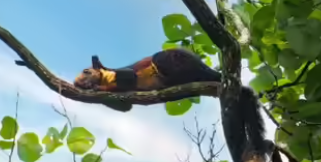
- In a significant biodiversity record, a rare Indian Giant Flying Squirrel (Petaurista philippensis) — a species native to the Western Ghats — was recently sighted and photographed inside the Udanti-Sitanadi Tiger Reserve (USTR) in Chhattisgarh.
- The sighting was reported by forest officials and wildlife enthusiasts during routine patrolling and camera-trap monitoring. This is considered an unusual range extension, as the species is primarily associated with the moist evergreen and semi-evergreen forests of the Western Ghats and parts of Northeast India.
- The discovery highlights the ecological richness and connectivity of Chhattisgarh’s forest corridors and raises questions about possible climate-driven or habitat-related range shifts.
2. About Udanti-Sitanadi Tiger Reserve (USTR)
- Location Located in the Dhamtari and Gariaband districts of Chhattisgarh. It was created in 2008–09 by combining the Udanti Wildlife Sanctuary and Sitanadi Wildlife Sanctuary.
- Strategic Importance The reserve forms a vital forest corridor connecting the Kanker and North Kondagaon forest divisions. It provides a contiguous link to the Indravati Tiger Reserve in the Bastar region, facilitating wildlife movement across central India.
- Rivers & Drainage The drainage system is dominated by the Mahanadi River and its tributaries: Udanti, Sitanadi, Indravan, and Pairi rivers. These rivers support rich riparian habitats.
- Topography The terrain is undulating with several hills. There are 19 named mountains in the reserve.
- Highest point: Deo Dongri.
- Most prominent peak: Atānga Dongar.
- Vegetation Predominantly tropical dry deciduous and moist deciduous forests. The landscape features a mosaic of dense forest patches, grasslands, and riverine areas.
- Flora
- Dominant species: Sal (Shorea robusta) — forms extensive dense patches.
- Other important species: Teak (Tectona grandis), Bamboo, Tendu, Mahua, Bija, and Harra. The reserve is also rich in medicinal plants and wild relatives of cultivated crops.
- Fauna
- Flagship species: Tiger (core area of Project Tiger).
- Highly endangered: Wild Water Buffalo (last remaining viable herds in central India are found here).
- Other notable species: Leopard, Sloth Bear, Indian Wolf, Mouse Deer (Chevrotain), Gaur, Sambar, Chital, and various birds and reptiles.
The recent sighting of the Indian Giant Flying Squirrel adds a new dimension to the reserve’s mammalian diversity.
3. Significance of the Sighting
- Range Extension: The Indian Giant Flying Squirrel is typically a Western Ghats and Northeast India species. Its presence in central India’s dry-deciduous landscape suggests possible habitat connectivity or behavioural adaptation.
- Biodiversity Value: Reinforces Udanti-Sitanadi’s status as an important conservation landscape beyond tigers.
- Conservation Implications: Highlights the need for landscape-level conservation, corridor protection, and monitoring of lesser-known species.
- Climate Link: Such sightings often indicate subtle ecological shifts due to changing rainfall patterns or forest microclimates.
UPSC CSE & State PCS Relevance
Prelims
- Key terms: Udanti-Sitanadi Tiger Reserve, Indian Giant Flying Squirrel (Petaurista philippensis), Wild Water Buffalo, Sal-dominated forest, Mahanadi river system, Project Tiger.
- Facts: Located in Chhattisgarh (Dhamtari & Gariaband districts); Connects to Indravati TR; Highest point — Deo Dongri; Recent rare sighting of Western Ghats species.
GS-1 (Geography)
- Physical geography of central India; River systems (Mahanadi basin); Forest types of Chhattisgarh.
GS-3 (Environment & Ecology)
- Biodiversity hotspots and range extensions; Tiger reserves and corridor conservation; Project Tiger; Protection of endangered species (Wild Buffalo); Climate change and species distribution.
Essay / Interview
- “Landscape-Level Conservation: The Importance of Tiger Reserve Corridors in Central India.”
- “From Flagship to Cryptic Species: Why Monitoring Lesser-Known Wildlife Matters.”
- “Climate Change and Shifting Species Ranges: New Challenges for Conservation in India.”
MCQs
- Consider the following statements about Udanti-Sitanadi Tiger Reserve:
- It is located in Chhattisgarh and connects to Indravati Tiger Reserve.
- The Mahanadi River and its tributaries drain the reserve.
- It is the last remaining habitat of the Indian Giant Flying Squirrel. Which of the statements given above is/are correct?
(a) 1 and 2 only
(b) 2 and 3 only
(c) 1 only
(d) 1, 2 and 3
Answer: (a)
- Which of the following is the dominant tree species in Udanti-Sitanadi Tiger Reserve?
(a) Teak
(b) Sal (Shorea robusta)
(c) Sandalwood
(d) Rosewood
Answer: (b) - The highest point in Udanti-Sitanadi Tiger Reserve is:
(a) Atānga Dongar
(b) Deo Dongri
(c) Bailadila
(d) Maikal Hills
Answer: (b) - Recently, which rare species native to the Western Ghats was sighted in Udanti-Sitanadi Tiger Reserve?
(a) Nilgiri Tahr
(b) Indian Giant Flying Squirrel
(c) Lion-tailed Macaque
(d) Malabar Civet
Answer: (b) - Udanti-Sitanadi Tiger Reserve is particularly known for the conservation of:
(a) Asiatic Lion
(b) Wild Water Buffalo
(c) One-horned Rhinoceros
(d) Snow Leopard
Answer: (b)
Mains Questions
- “Tiger reserves in central India like Udanti-Sitanadi serve as vital landscape corridors for biodiversity conservation.” Discuss the ecological significance of Udanti-Sitanadi Tiger Reserve, with special reference to its unique fauna and recent wildlife records. (15 marks / 250 words)
- Examine the importance of protecting wildlife corridors and contiguous forest patches in the face of habitat fragmentation and climate change. Use the example of Udanti-Sitanadi Tiger Reserve to illustrate your answer. (10 marks / 150 words)
- “Range extensions of species provide important indicators of ecological change.” Analyse this statement in light of the recent sighting of the Indian Giant Flying Squirrel in Udanti-Sitanadi Tiger Reserve. (15 marks / 250 words)
- Essay (250 marks) “Beyond Tigers: Conserving India’s Hidden Biodiversity in Central Indian Landscapes.”
Transgender Persons (Protection of Rights) Amendment Act, 2026:
1. Why in News?
- The Transgender Persons (Protection of Rights) Amendment Act, 2026 has sparked intense debate and fresh legal challenges. Passed by Parliament in March 2026 and receiving Presidential assent on 30 March 2026, the Act significantly alters the framework for legal recognition of gender identity by removing self-identification and introducing mandatory medical board certification.
- Petitions challenging the Amendment have already been filed in the Supreme Court (by activists Laxmi Narayan Tripathi and Zainab Javid Patel) and the Rajasthan High Court.
- The Rajasthan High Court, in an interim observation, noted that the amendment “departs from constitutional principles” and risks turning gender identity into a “State-controlled entitlement”.
This development marks a clear shift from the judicial emphasis on personal autonomy (post-NALSA) to a more regulatory, medicalised approach, raising questions about legislative override of fundamental rights.
2. Evolution of Transgender Rights in India
- NALSA v. Union of India (2014) – Landmark Supreme Court judgment:
- Recognised transgender persons as the “third gender”.

- Held that gender identity is an integral part of Article 21 (right to life with dignity) and Article 19(1)(a) (freedom of expression).
- Affirmed self-identification as the basis for legal recognition — no medical intervention or surgery required.
- Directed governments to provide reservations in education and public employment.
- Recognised transgender persons as the “third gender”.
- Judicial Expansion of Rights (2014–2025): High Courts and Supreme Court consistently protected:
- Self-identification in official documents without medical proof.
- Right to employment without forced medical examinations.
- Access to educational institutions, NCC, sports, and public facilities.
- Political rights (contesting elections as per self-identified gender).
- Recognition of marriage and familial relationships.
Courts repeatedly ruled that gender choice lies solely with the individual and no authority can question or demand proof beyond self-declaration.
- Transgender Persons (Protection of Rights) Act, 2019: First dedicated central law. It prohibited discrimination and allowed issuance of transgender certificates by District Magistrates. However, it retained bureaucratic hurdles and required surgery for changing gender to male/female. Several provisions were challenged in the Supreme Court in 2020 and remain pending.
- Jane Kaushik v. Union of India (2025): Supreme Court criticised “omissive discrimination” — the State’s failure to effectively implement the 2019 Act. It directed formation of an advisory committee and effective implementation, calling the law a “dead letter” due to administrative apathy.
3. Key Provisions of the 2026 Amendment Act
The Amendment introduces major changes that reverse several judicially recognised principles:
- Removal of Self-Perceived Gender Identity: Self-identification is no longer the statutory basis for recognition.
- Mandatory Medical Board Certification: Legal recognition now requires approval by a designated Medical Board (headed by the Chief Medical Officer).
- Narrowed Definition: Removes categories such as trans-man, trans-woman, and genderqueer. Limits recognition to specific socio-cultural identities and certain intersex conditions.
- Compulsory Re-Certification After Surgery: Individuals undergoing gender-affirming surgery must apply for a revised certificate.
- Increased State Control: District authorities and medical boards gain significant gatekeeping power.
These changes mark a clear shift from a rights-based, self-determination model to a medicalised, certification-based model.
4. Core Conflict: Self-Identification vs Medical Certification
- Judicial Stand: Gender identity is an inherent aspect of personal liberty and dignity (Article 21). It is based on an individual’s internal experience, not biological or medical tests. Any interference violates privacy (Puttaswamy case) and equality (Article 14).
- Legislative Stand (2026 Amendment): Introduces bureaucratic and medical oversight for “administrative clarity” and to “prevent misuse”. Critics argue this pathologises identity and creates exclusionary barriers, especially for rural, poor, and non-binary persons.
5. Significance and Concerns
- Constitutional Issues: The amendment is accused of diluting fundamental rights recognised by the Supreme Court in NALSA. It raises questions about whether ordinary legislation can override judicial interpretation of fundamental rights.
- Lack of Consultation: Passed without adequate consultation with the advisory committee or the transgender community.
- Implementation Gap: Even the 2019 Act suffered from poor implementation; the new amendment may further complicate access to rights.
- Global Contrast: Many countries (Argentina, Malta, Ireland) follow self-identification models without mandatory medical certification.
UPSC CSE & State PCS Relevance
Prelims
- Key terms: NALSA Judgment (2014), Transgender Persons Act 2019 & 2026 Amendment, Self-identification, Medical Board Certification, Omissive Discrimination.
- Facts: Amendment passed March 2026; Presidential assent 30 March 2026; Challenges in Supreme Court and Rajasthan HC; Removes trans-man/trans-woman categories.
GS-2 (Polity & Governance, Social Justice)
- Fundamental Rights vs Legislative Power; Judicial Review; Rights of marginalised communities; Implementation of Supreme Court directives; “Omissive discrimination”.
GS-1 (Indian Society)
- Social empowerment of transgender persons; Evolving gender jurisprudence in India.
Essay / Interview
- “The Tension Between Judicial Activism and Legislative Sovereignty in Expanding Rights of Marginalised Communities.”
- “Self-Determination vs State Regulation: The Evolving Debate on Transgender Rights in India.”
- “From NALSA to 2026 Amendment: Has India Moved Forward or Backward on Transgender Dignity and Autonomy?”
MCQs
- Consider the following statements regarding the Transgender Persons (Protection of Rights) Amendment Act, 2026:
- It removes self-perceived gender identity as the basis for legal recognition.
- It introduces mandatory certification by a Medical Board.
- It expands the categories to include trans-man and trans-woman explicitly. Which of the statements given above is/are correct?
(a) 1 and 2 only
(b) 2 and 3 only
(c) 1 only
(d) 1, 2 and 3
Answer: (a)
- In the NALSA v. Union of India (2014) judgment, the Supreme Court recognised transgender persons as:
(a) Second gender
(b) Third gender
(c) No separate category
(d) Only biological males/females
Answer: (b) - The term “omissive discrimination” was used by the Supreme Court in 2025 in the case of:
(a) Navtej Singh Johar
(b) Jane Kaushik v. Union of India
(c) Puttaswamy
(d) Supriyo
Answer: (b) - Which of the following is NOT a feature of the 2026 Amendment?
(a) Mandatory medical board approval
(b) Removal of self-identification
(c) Compulsory re-certification after surgery
(d) Complete removal of all certification requirements
Answer: (d) - The 2026 Amendment has been criticised primarily for violating which constitutional articles?
(a) Articles 14, 19 and 21
(b) Articles 19 and 32 only
(c) Article 370 only
(d) Articles 25 and 26
Answer: (a)
Mains Questions
- “The Transgender Persons (Protection of Rights) Amendment Act, 2026 represents a regressive shift from the principles laid down in the NALSA judgment.” Critically examine the key changes introduced by the 2026 Amendment and their constitutional implications. (15 marks / 250 words)
- Discuss the evolving jurisprudence on transgender rights in India since 2014. How does the 2026 Amendment reflect the tension between judicial activism and legislative authority? (15 marks / 250 words)
- “Omissive discrimination by the State can be as harmful as active discrimination.” Analyse this statement in the context of the implementation of transgender rights laws in India. (10 marks / 150 words)
- Essay (250 marks) “Identity, Autonomy and State Power: The Constitutional Struggle for Transgender Dignity in Contemporary India.”
Iran War and Stagflation: Will the 2026 Crisis Trigger Global Stagflation?
1. Why in News?
- The ongoing US-Israel vs Iran conflict (escalated since early 2026) has triggered serious concerns about a return of stagflation — a toxic combination of high inflation and low/negative economic growth.
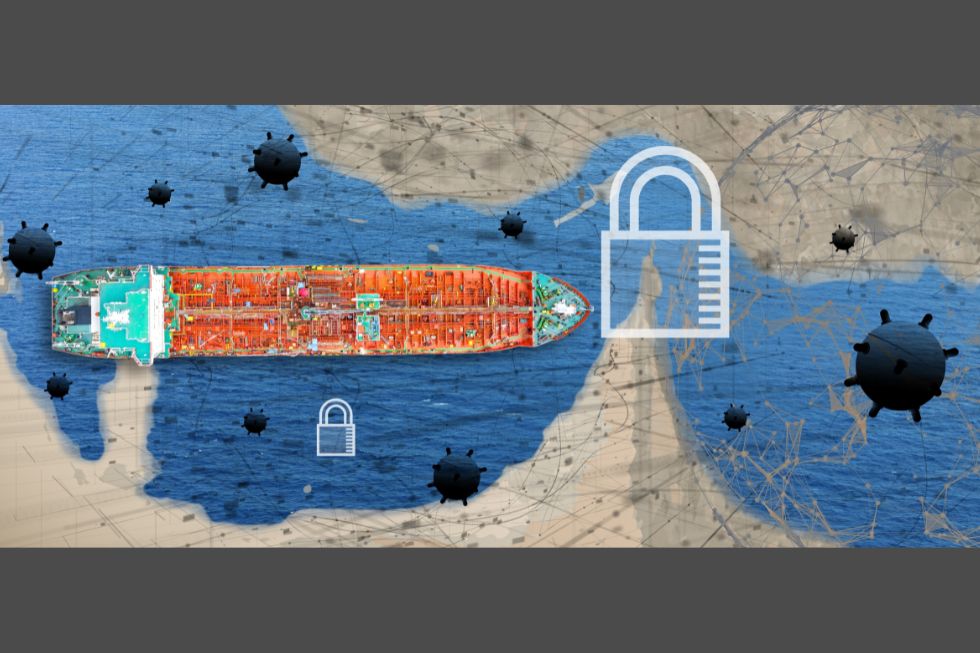
- Analysts warn that the current crisis is not merely a price shock (like 2022) but a dual price-and-supply shock due to disruptions in oil, gas, and petrochemical supply chains from the Gulf region. Energy prices have surged sharply, with fears of actual shortages if the conflict prolongs or spreads to major shipping routes (Strait of Hormuz).
- This situation has revived memories of the 1970s oil shocks that caused prolonged stagflation in Western economies. For India, the risk is particularly high due to heavy dependence on imported energy and petrochemicals for fertilisers, plastics, power, and transport.
2. Understanding Stagflation
- Definition: Stagflation is the simultaneous occurrence of stagnation (low or negative GDP growth, high unemployment) and high inflation. It is often described as “the worst of both worlds” for policymakers.
- Historical Episodes:
- 1973–75: Triggered by the Yom Kippur War and Arab oil embargo. Western economies saw negative growth with double-digit inflation.
- 1979–82: Caused by the Iranian Revolution and the Iran-Iraq War. Oil prices spiked again, leading to severe stagflation, especially in the US and UK.
- Recent Near-Misses:
- 2008 Global Financial Crisis: Slow growth but low inflation (deflationary pressures).
- 2022 Russia-Ukraine War: High inflation but no deep global recession.
3. Mechanism of Stagflation: Demand-Supply Framework
In a normal economy, prices and output are determined by the intersection of demand and supply curves.
- A negative supply shock (e.g., war disrupting oil production or shipping) shifts the entire supply curve leftward (from S0 to S1).
- Result:
- Higher prices (P1 > P0) → Inflation
- Lower output (Q1 < Q0) → Stagnation / Recession
Unlike demand shocks, supply shocks are harder to manage because conventional tools (monetary and fiscal policy) primarily influence demand.
4. Why the 2026 Iran Conflict Poses a Serious Stagflation Risk
- Dual Nature of Shock:
- Price shock: Sharp rise in crude oil, LNG, and petrochemical prices.
- Supply shock: Potential physical shortages if Iranian oil exports or Strait of Hormuz shipping is disrupted. Shortages can halt industrial activity, power generation, and transport.
- India’s Vulnerability:
- High dependence on imported crude oil and LNG.
- Petrochemical products are critical inputs for fertilisers (urea), plastics, synthetic fibres, paints, and pharmaceuticals.
- Disruptions create non-linear and cascading effects across supply chains, amplifying economic damage.
- Global Dimension: Prolonged conflict could affect Europe, East Asia, and emerging markets simultaneously, making coordinated recovery difficult.
5. Policy Challenges in Dealing with Stagflation
- Limitations of Conventional Tools:
- Monetary Policy: Raising interest rates controls inflation but deepens recession and unemployment.
- Fiscal Policy: Increased government spending or tax cuts boosts demand but fuels inflation when supply is constrained.
- Core Problem: Stagflation is primarily a supply-side issue, while traditional macroeconomic policies are demand-side tools. This creates a painful policy trade-off (the “stagflation dilemma”).
- Duration Matters: If the supply disruption is short-lived, the economy may recover quickly. Prolonged conflict (months or years) increases the risk of entrenched stagflation.
- Way Forward:
- Restoring disrupted supply chains through diplomacy, alternative sourcing, and strategic reserves.
- Diversifying energy sources (renewables, nuclear, domestic exploration).
- Building buffer stocks and enhancing energy efficiency.
- Targeted fiscal support for vulnerable sectors without stoking broad inflation.
UPSC CSE & State PCS Relevance
Prelims
- Key terms: Stagflation, Negative Supply Shock, Oil Shocks (1973, 1979), Strait of Hormuz, Demand-Supply Framework.
- Facts: 1970s stagflation triggered by Yom Kippur War & Iranian Revolution; 2026 Iran conflict as potential dual price-supply shock.
GS-3 (Economy)
- Macroeconomic challenges; Inflation and growth dynamics; Supply-side shocks; Energy security; Impact on India’s economy.
GS-2 (International Relations)
- Geopolitical conflicts and economic consequences; India’s energy diplomacy in West Asia; Global economic interdependence.
Essay / Interview
- “Stagflation: The Return of 1970s-Style Economic Crisis in the 21st Century?”
- “Energy Security and Geopolitical Risks: Lessons for India from the 2026 Iran Conflict.”
- “Supply Shocks vs Demand Management: Why Conventional Economic Policies Fail in Times of Crisis.”
UPSC CSE & State PCS Relevance
-
Consider the following statements about stagflation:
- It is characterised by high inflation and low or negative economic growth.
- It is primarily caused by negative demand shocks.
- The 1970s stagflation was triggered by oil supply shocks from the Yom Kippur War and Iranian Revolution.
Which of the statements given above is/are correct?
(a) 1 and 2 only
(b) 1 and 3 only
(c) 2 and 3 only
(d) 1, 2 and 3
Answer: (b) 1 and 3 only
2. In the demand-supply framework, stagflation is caused by:
(a) Rightward shift of the demand curve
(b) Leftward shift of the supply curve
(c) Simultaneous increase in both demand and supply
(d) Rightward shift of both curves
Answer: (b) Leftward shift of the supply curve
3. Which of the following best describes the current 2026 Iran-related crisis in terms of economic shock?
(a) Pure demand shock
(b) Pure price shock
(c) Dual price and supply shock
(d) Deflationary shock
Answer: (c) Dual price and supply shock
4. The term “stagflation” combines:
(a) Stagnation and deflation
(b) Stagnation and inflation
(c) Growth and disinflation
(d) Recession and hyper-deflation
Answer: (b) Stagnation and inflation
5. Which of the following is NOT a typical policy challenge during stagflation?
(a) Raising interest rates worsens growth
(b) Increasing government spending fuels inflation
(c) Easy monetary policy effectively controls inflation
(d) Standard tools create painful trade-offs
Answer: (c) Easy monetary policy effectively controls inflation
Mains Questions
- “The 2026 Iran conflict has revived the spectre of stagflation globally.” Examine the causes and mechanisms of stagflation and assess its potential impact on the Indian economy. (15 marks / 250 words)
- In the event of stagflation, conventional monetary and fiscal policies face serious limitations. Discuss the policy dilemmas and suggest alternative strategies to mitigate the crisis. (15 marks / 250 words)
- “Energy security is national security in the 21st century.” Analyse this statement in the context of supply shocks arising from geopolitical conflicts like the 2026 Iran war and their implications for India. (10 marks / 150 words)
- Essay (250 marks) “Stagflation in a Geopolitically Volatile World: Challenges for Emerging Economies like India.”
Prime Minister Narendra Modi Becomes India’s Longest-Serving Elected Head of Government
1. Why in News?
- Prime Minister Narendra Modi has surpassed all previous Prime Ministers to become the longest-serving elected head of government in independent India.
- As of early April 2026, PM Modi has completed more than 12 years in office (since May 2014), overtaking Jawaharlal Nehru’s record. This milestone has reignited a vigorous national debate on whether India should introduce constitutional term limits for the office of the Prime Minister (and Chief Ministers).
- The discussion centres on the balance between democratic will (repeated electoral mandates) and the need for institutional safeguards against prolonged incumbency and concentration of power.
2. Constitutional Position on Executive Tenure
- The Constitution of India does not prescribe any term limit for the office of the Prime Minister.
- The Prime Minister holds office as long as he/she enjoys the confidence of the Lok Sabha (Article 75).
- This follows the Westminster parliamentary model adopted from Britain, where the executive is accountable to the legislature on a daily basis rather than through fixed terms.
- The framers believed that continuous parliamentary oversight (question hour, no-confidence motion, adjournment motion, etc.) would be a stronger check than fixed tenure limits.
3. Constituent Assembly Debates
During the Constituent Assembly discussions, Dr. B.R. Ambedkar strongly defended the absence of term limits. He argued that:
- “Daily accountability” through Parliament is more effective than periodic elections.
- Mechanisms like no-confidence motions provide real-time checks on executive power.
- Imposing term limits could undermine the democratic principle that the people should have the freedom to re-elect a leader they trust.
4. Impact of Anti-Defection Law on Accountability
The 52nd Constitutional Amendment (1985) introduced the Tenth Schedule (Anti-Defection Law), which has significantly altered the original constitutional design:
- Legislators who vote against the party whip can be disqualified.
- This has made no-confidence motions largely ineffective, as ruling party MPs rarely defy the whip.
- Critics argue that the law has tilted the balance heavily in favour of the executive, weakening the “daily accountability” mechanism envisioned by the framers.
5. Comparative Perspective
- Presidential Systems: Most countries with directly elected Presidents impose term limits (e.g., USA — 2 terms, Brazil, Indonesia, Mexico).
- Parliamentary Systems: Term limits are generally absent because the head of government can be removed by Parliament. However, India’s system has been affected by the anti-defection law and weak intra-party democracy.
- UK Example: Prime Ministers can serve indefinitely in theory, but strong party mechanisms and conventions often lead to leadership challenges.
6. The Presidential Convention Paradox
- India has developed a strong informal convention limiting the President to two terms, even though the Constitution does not mandate it. No President has served more than two terms.
- In contrast, the Prime Minister, who wields real executive power, faces no such formal or informal restriction. This creates a constitutional asymmetry between the ceremonial and real centres of power.
7. Arguments in the Current Debate
Against Term Limits:
- Repeated electoral victories reflect the will of the people.
- Term limits may undermine democratic choice and federal flexibility.
For Term Limits:
- Prolonged incumbency provides structural advantages (control over institutions, policy continuity, narrative shaping).
- Risk of erosion of institutional independence and concentration of power.
- Need to prevent “democratic backsliding” through over-centralisation.
8. Suggested Reforms
Experts and commentators have proposed two main pathways:
- Restore Parliamentary Accountability: Exempt confidence and no-confidence motions from the anti-defection law to revive the original check on the executive.
- Introduce Term Limits: Constitutional amendment to limit the Prime Minister and Chief Ministers to two consecutive terms, with the possibility of returning after a cooling-off period.
9. UPSC CSE & State PCS Relevance
Prelims
- Key terms: Term limits for PM, Anti-Defection Law (Tenth Schedule), 52nd Amendment, No-confidence motion, Westminster model, Daily accountability.
- Facts: PM Modi became longest-serving elected PM in April 2026; No constitutional term limit for PM; Presidential two-term convention exists informally.
GS-2 (Polity & Governance)
- Parliamentary system vs Presidential system; Executive accountability; Anti-defection law and its impact; Constituent Assembly debates; Need for constitutional reforms.
GS-1 (Post-Independence History)
- Evolution of Indian polity and institutions.
Essay / Interview
- “Should India Introduce Term Limits for Prime Minister and Chief Ministers?”
- “The Anti-Defection Law: From Strengthening Party Discipline to Weakening Parliamentary Democracy.”
- “Democratic Accountability in the Age of Strong Leadership: Balancing Stability and Checks on Power.”
MCQs
- Consider the following statements regarding the office of the Prime Minister in India:
- The Constitution prescribes a maximum of two terms for the Prime Minister.
- The Prime Minister holds office as long as he enjoys the confidence of the Lok Sabha.
- The Anti-Defection Law has strengthened the effectiveness of no-confidence motions. Which of the statements given above is/are correct?
(a) 1 only
(b) 2 only
(c) 1 and 3 only
(d) 2 and 3 only
Answer: (b)
- The concept of “daily accountability” of the executive to Parliament was emphasised by:
(a) Jawaharlal Nehru
(b) Dr. B.R. Ambedkar
(c) Sardar Vallabhbhai Patel
(d) Alladi Krishnaswami Ayyar
Answer: (b) - The Anti-Defection Law was introduced through which Constitutional Amendment?
(a) 42nd Amendment
(b) 44th Amendment
(c) 52nd Amendment
(d) 61st Amendment
Answer: (c) - Which of the following countries does NOT impose term limits on its executive head?
(a) United States
(b) Brazil
(c) United Kingdom
(d) Indonesia
Answer: (c) - The informal convention in India limiting the President to two terms is:
(a) Mandated by the Constitution
(b) Not mentioned in the Constitution but followed in practice
(c) Applicable only to the Prime Minister
(d) Enforced by the Supreme Court
Answer: (b)
Mains Questions
- “The absence of term limits for the Prime Minister, combined with the Anti-Defection Law, has tilted the balance of power towards the executive.” Critically examine this statement and suggest reforms to strengthen parliamentary accountability. (15 marks / 250 words)
- Discuss the rationale of the Constituent Assembly for not prescribing term limits for the Prime Minister. In the light of contemporary developments, do you think India should introduce such limits? (15 marks / 250 words)
- “Prolonged incumbency may undermine democratic institutions even in an electoral democracy.” Analyse this statement with reference to the recent debate on executive term limits in India. (10 marks / 150 words)
- Essay (250 marks) “Term Limits vs Democratic Choice: Striking the Right Balance in India’s Parliamentary System.”
Click Here to download the PDF
