9th April Editorials & Articles
|
Significance |
|
The U.S.–Iran ceasefire is crucial for global stability as it directly impacts oil supply, maritime trade, and geopolitical balance. Stability in the Strait of Hormuz—through which about 20% of global oil passes—affects inflation and energy security worldwide, including India’s economy and strategic interests. |
Fragile Ceasefire Between the United States and Iran: Implications for Global Security and India
Introduction
The recent ceasefire between the United States and Iran marks a temporary de-escalation in one of the most volatile regions of the world—the Middle East. However, divergent interpretations, absence of trust, and continued regional conflicts underline the fragile and uncertain nature of this peace arrangement. The situation has far-reaching implications for global stability, energy security, and India’s strategic interests.
Background of the Conflict
Tensions between the U.S. and Iran are rooted in multiple dimensions: 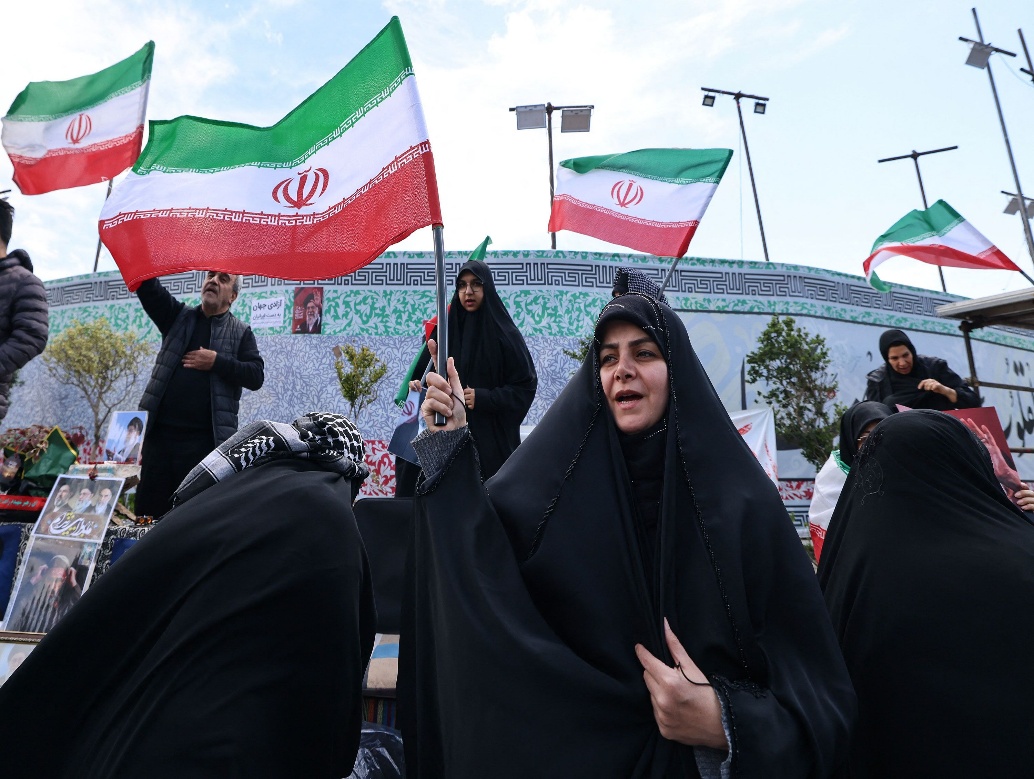
1. Strategic Rivalry in the Middle East
- U.S. seeks to maintain regional dominance and protect allies
- Iran aims to expand its strategic and ideological influence
2. Nuclear Program Dispute
- Iran’s uranium enrichment program seen as a security threat
- Collapse of nuclear agreements increased confrontation
3. Economic Sanctions
- U.S. imposed severe economic sanctions targeting:
- Oil exports
- Banking sector
- Led to economic isolation of Iran
4. Proxy Conflicts
- Iran supports non-state actors in:
- Lebanon
- Syria, Iraq, Yemen
- U.S. and allies counterbalance these groups
5. Recent Escalations
- Heavy airstrikes in Lebanon
- Maritime tensions in the Strait of Hormuz
- Risk of direct confrontation increased significantly
Key Features of the Ceasefire
1. Temporary Suspension of Hostilities
- A two-week ceasefire declared
- U.S. halted offensive operations
- Iran agreed to limit military responses
However, the short duration reflects lack of long-term commitment
2. Disagreement Over Terms
- Iran considers Lebanon part of ceasefire
- U.S. and Israel reject this
Indicates absence of a unified framework and deep mistrust
3. Strategic Negotiations
- Talks proposed in Islamabad
- Based on:
- U.S. 15-point proposal
- Iran’s 10-point counterproposal
Negotiation gap highlights complexity of conflict resolution
Strategic Importance of the Strait of Hormuz (Deep Insight)
The Strait of Hormuz is one of the most important global trade routes:
1. Energy Lifeline of the World
- Around 20% of global oil supply passes through
- Essential for Asian economies like India, China, Japan
2. Iran’s Geostrategic Advantage
- Controls key access points
- Can:
- Disrupt shipping
- Influence global oil supply
3. Economic Consequences of Disruption
- Rise in crude oil prices
- Inflationary pressure globally
- Supply chain disruptions
Major Challenges to the Ceasefire (Elaborated)
1. Lack of Mutual Trust
- Continuous accusations of violations
- No independent monitoring mechanism
- Historical hostility limits cooperation
2. Role of Third Parties
- Israel’s involvement complicates dynamics
- Proxy actors increase unpredictability
- Risk of escalation beyond bilateral conflict
3. Regional Instability
- Conflict zones like Lebanon remain volatile
- Weak governance in parts of the region
- Presence of militant groups
4. Sanctions vs Sovereignty Conflict
- Iran demands lifting of sanctions
- U.S. uses sanctions as a strategic leverage tool
Core disagreement remains unresolved
5. Domestic Political Pressures
- Leadership in both countries faces internal pressures
- Nationalism limits flexibility in negotiations
India’s Perspective
India has cautiously welcomed the ceasefire due to multiple interests:
1. Energy Security
- Heavy dependence on oil imports
- Stability in the Strait ensures uninterrupted supply
2. Trade and Maritime Interests
- Indian vessels rely on safe sea routes
- Disruptions increase:
- Shipping costs
- Insurance premiums
3. Strategic Diplomacy
- Balancing relations with:
- U.S. (defense and strategic partner)
- Iran (Chabahar Port, connectivity to Central Asia)
India follows a policy of strategic autonomy
4. Diaspora Concerns
- Large Indian population in the Gulf region
- Any conflict poses evacuation and safety challenges
Global Implications
1. Oil Market Volatility
- Immediate fluctuations in crude oil prices
- Impacts global inflation and economic growth
2. Threat to Global Security
- Risk of regional conflict turning into wider war
- Involvement of multiple global powers
3. Shift Towards Multipolar Diplomacy
- Role of countries like Pakistan in mediation
- Indicates weakening of unilateral dominance
4. Impact on Global Trade
- Disruptions in shipping routes
- Increased cost of global logistics
Way Forward (Comprehensive Strategy)
1. Strengthening Diplomatic Engagement
- Continuous dialogue channels
- Confidence-building measures
2. Clear and Transparent Agreements
- Clearly defined ceasefire terms
- Avoid ambiguity and misinterpretation
3. Third-Party Mediation
- Neutral international platforms (e.g., UN)
- Reduce bilateral mistrust
4. Gradual Sanctions Relief
- Incentivize compliance
- Promote economic normalization
5. Reducing Military Dependence
- Shift from coercion to cooperation
- Focus on long-term peace-building
Conclusion
The ceasefire between the United States and Iran represents a temporary pause, not a permanent peace. Sustainable resolution requires addressing core issues such as nuclear concerns, sanctions, and regional influence.
For India and the global community, stability in the Middle East is essential for energy security, economic stability, and geopolitical balance.
UPSC CSE & State PCS Relevance
Prelims
- Key terms: US-Iran Ceasefire, Strait of Hormuz, Free navigation of energy routes, 10-point Iranian peace plan, Pakistan’s mediation role.
- Facts: Ceasefire after 39 days of conflict; Iran controls Strait of Hormuz (one-fifth of global oil); India’s energy dependence on Gulf ~60%.
GS-2 (International Relations)
- West Asia geopolitics; India’s energy diplomacy; Strategic autonomy; Role of third-party mediators like Pakistan.
GS-3 (Economy & Security)
- Energy security; Impact of geopolitical conflicts on oil prices and supply chains; Remittances from Gulf; Global trade disruptions.
Essay / Interview
- “Geopolitics of Energy: How Conflicts in West Asia Shape Global Stability and India’s Security.”
- “Ceasefire Diplomacy and the Limits of Brinkmanship in a Multipolar World.”
- “India’s Strategic Balancing Act in a Turbulent West Asia: Energy, Diaspora and Security Concerns.”
MCQs (Prelims Standard)
- Consider the following statements regarding the US-Iran ceasefire:
- It was announced after 39 days of conflict.
- Iran agreed to reopen the Strait of Hormuz for two weeks.
- The ceasefire is permanent and includes full resolution of all disputes. Which of the statements given above is/are correct?
(a) 1 and 2 only
(b) 2 and 3 only
(c) 1 only
(d) 1, 2 and 3
Answer: (a)
- The Strait of Hormuz is strategically important because it carries approximately:
(a) 5% of global oil supply
(b) One-fifth of global oil supply
(c) Half of global LNG trade
(d) All major container shipping routes
Answer: (b)
- India’s energy dependence on the Gulf region is approximately:
(a) 20%
(b) 40%
(c) 60%
(d) 80%
Answer: (c)
- Which country’s Prime Minister publicly appealed for de-escalation before the ceasefire?
(a) Saudi Arabia
(b) Pakistan
(c) China
(d) Turkey
Answer: (b)
- Iran’s peace plan includes demands related to:
- Lifting of all sanctions
- Acceptance of uranium enrichment
- US troop withdrawal from the region Select the correct answer:
(a) 1 and 2 only
(b) 2 and 3 only
(c) 1 only
(d) 1, 2 and 3
Answer: (d)
Mains Questions
- “The US-Iran ceasefire offers temporary relief but leaves deep structural tensions unresolved.” Discuss the strategic importance of the Strait of Hormuz and the challenges in achieving a durable peace in West Asia. (15 marks / 250 words)
- Examine the implications of the recent US-Iran conflict and subsequent ceasefire for India’s energy security, diaspora safety, and strategic interests in the region. (10 marks / 150 words)
- “Ceasefire diplomacy in West Asia reflects a complex interplay of brinkmanship, economic leverage, and third-party mediation.” Analyse this statement with reference to Pakistan’s role and the reopening of the Strait of Hormuz. (15 marks / 250 words)
Click here to download the PDF
